Travel-friendly Diabetes Management Tools and Apps You Should Know About

Table of Contents

Traveling with diabetes requires careful planning and the right tools to ensure safe and effective blood sugar management while away from home. Whether you’re embarking on a business trip, vacation, or any journey that takes you beyond your daily routine, having access to modern diabetes management technology can make all the difference in maintaining your health and enjoying your travels with confidence. Today’s digital health landscape offers an impressive array of portable devices, smartphone applications, and innovative solutions specifically designed to help people with diabetes manage their condition seamlessly, no matter where their adventures take them.

The good news is that diabetes management technology has evolved dramatically in recent years, with devices becoming smaller, smarter, and more connected than ever before. From continuous glucose monitors that sync wirelessly to your phone to comprehensive apps that track every aspect of your diabetes care, these tools empower travelers to maintain tight control over their condition while navigating airports, exploring new destinations, and adapting to different time zones and meal schedules. This comprehensive guide explores the essential travel-friendly diabetes management tools and apps you should know about, helping you make informed decisions about which solutions best fit your travel needs and lifestyle.

Understanding the Importance of Diabetes Management While Traveling

Travel presents unique challenges for people with diabetes that go beyond the typical concerns of packing and itinerary planning. Changes in routine, unfamiliar foods, different time zones, varying activity levels, and the stress of travel itself can all significantly impact blood glucose levels. Without proper management tools and strategies, these factors can lead to dangerous highs or lows that not only compromise your health but can also derail your travel plans entirely.

The consequences of poor diabetes management while traveling can range from mild discomfort to serious medical emergencies. Hypoglycemia can cause confusion, dizziness, and loss of consciousness, while prolonged hyperglycemia can lead to diabetic ketoacidosis, a life-threatening condition. Beyond the immediate health risks, inadequate diabetes management can result in fatigue, mood changes, and an inability to fully enjoy your travel experience. This is why having reliable, portable tools and apps is not just convenient but essential for anyone with diabetes who travels.

Modern diabetes management technology addresses these challenges by providing real-time data, predictive insights, and convenient tracking capabilities that help you stay in control regardless of your location. These tools enable you to make informed decisions about insulin dosing, meal choices, and activity levels based on accurate, up-to-date information. They also provide peace of mind, knowing that you have the resources to handle unexpected situations and maintain your health throughout your journey.

Advanced Blood Glucose Monitoring Devices for Travelers

Blood glucose monitoring forms the foundation of effective diabetes management, and having reliable monitoring devices while traveling is absolutely critical. Traditional blood glucose meters have come a long way from the bulky, complicated devices of the past. Today’s portable blood glucose meters are remarkably compact, highly accurate, and designed with travel in mind. Many models are no larger than a small smartphone and can easily fit into a pocket, purse, or carry-on bag without taking up valuable space.

Modern blood glucose meters offer features that are particularly valuable for travelers, including Bluetooth connectivity that allows automatic data syncing to smartphone apps. This wireless capability eliminates the need for manual logging and ensures that your glucose readings are always backed up and accessible, even if you lose or damage your meter. Many devices also feature backlit displays for easy reading in various lighting conditions, from dimly lit airplane cabins to bright outdoor settings, and require only tiny blood samples, making testing less invasive and more convenient when you’re on the go.

Continuous Glucose Monitors: The Game-Changer for Travel

Continuous glucose monitors, commonly known as CGMs, represent a revolutionary advancement in diabetes management technology and are particularly valuable for travelers. Unlike traditional meters that provide a single glucose reading at a specific moment, CGMs continuously track glucose levels throughout the day and night, providing readings every few minutes. This constant monitoring offers unprecedented insight into glucose trends, patterns, and fluctuations that might otherwise go unnoticed.

For travelers, CGMs offer several distinct advantages. They eliminate the need for frequent finger pricks, which can be inconvenient or impractical in certain travel situations such as during flights, business meetings, or while driving. The devices consist of a small sensor inserted just under the skin, typically on the abdomen or arm, which measures glucose levels in interstitial fluid. This sensor wirelessly transmits data to a receiver or smartphone app, allowing you to check your glucose levels discreetly at any time simply by glancing at your phone.

Popular CGM systems include the Dexcom G6 and G7, which offer real-time glucose readings without requiring calibration finger sticks, and the FreeStyle Libre system, which uses a flash glucose monitoring approach where you scan the sensor with a reader or smartphone to get current glucose readings and trend data. The Abbott FreeStyle Libre 3 provides continuous real-time readings similar to traditional CGMs. These systems also feature customizable alerts that warn you when your glucose is trending too high or too low, giving you time to take corrective action before a serious problem develops.

The trend arrows and graphs provided by CGMs are invaluable for making informed decisions about insulin dosing, meal timing, and activity levels while traveling. Instead of just knowing your current glucose level, you can see whether it’s rising, falling, or stable, and how quickly it’s changing. This predictive capability helps you anticipate and prevent problems before they occur, which is especially important when you’re away from your usual healthcare providers and support systems.

Smart Meters with Data Management Capabilities

Smart blood glucose meters combine traditional testing accuracy with modern connectivity and data management features. These devices automatically log your readings, track testing patterns, and calculate averages over various time periods. Many smart meters can also tag readings with contextual information such as before meal, after meal, or bedtime, helping you and your healthcare provider understand the circumstances surrounding each reading.

The Contour Next One is a highly accurate smart meter that connects to the Contour Diabetes app via Bluetooth, offering features like blood glucose pattern detection and personalized insights. The OneTouch Verio Reflect provides immediate feedback with a color-coded range indicator and tracks patterns to help identify when your glucose levels are frequently high or low. The Accu-Chek Guide Me system offers a simple, intuitive interface with a spill-resistant test strip container built into the meter, making it particularly convenient for travel.

When selecting a blood glucose meter for travel, consider factors such as battery life, availability of test strips in your destination, the size and durability of the device, and whether it meets any specific requirements for air travel or international use. Some meters use standard batteries that can be easily replaced anywhere, while others have rechargeable batteries that require charging cables. Having a meter that uses widely available test strips can be crucial if you run out or lose your supplies while traveling.

Comprehensive Diabetes Management Apps

Smartphone apps have transformed diabetes management by putting powerful tracking, analysis, and decision-support tools right in your pocket. These apps serve as digital logbooks, personal assistants, and data analysis platforms all in one, making them indispensable companions for travelers with diabetes. The best diabetes management apps integrate data from multiple sources, including glucose meters, CGMs, insulin pumps, fitness trackers, and manual entries, creating a comprehensive picture of your diabetes management.

MySugr: Gamified Diabetes Tracking

MySugr has become one of the most popular diabetes management apps worldwide, thanks to its user-friendly interface and engaging approach to diabetes tracking. The app uses gamification elements to make logging blood glucose levels, meals, medications, and activities more engaging and less of a chore. Users earn points for consistent logging and can “tame their diabetes monster” by maintaining good management habits, which can be particularly motivating during the disruptions of travel.

The app automatically syncs with many popular glucose meters and CGMs, eliminating manual data entry and reducing the chance of errors. MySugr provides detailed reports and statistics that can be easily shared with healthcare providers, which is valuable if you need medical assistance while traveling. The app also includes a bolus calculator to help determine appropriate insulin doses based on carbohydrate intake and current glucose levels, though this feature requires a subscription to the premium version.

For travelers, MySugr’s meal photo feature is particularly useful, allowing you to take pictures of your meals and attach them to your log entries. This visual record can help you remember what you ate and how it affected your glucose levels, which is especially helpful when trying unfamiliar foods in new destinations. The app is available for both iOS and Android devices and offers both free and premium subscription options.

Glooko: Comprehensive Data Integration

Glooko stands out for its exceptional ability to integrate data from a wide variety of diabetes devices and apps, making it an excellent choice for travelers who use multiple tools to manage their condition. The app is compatible with over 100 different glucose meters, CGMs, insulin pumps, and fitness trackers, automatically pulling data from these devices into a unified platform. This comprehensive integration eliminates the need to juggle multiple apps and provides a complete picture of your diabetes management in one place.

The app generates detailed reports and visualizations that help identify patterns and trends in your glucose levels, insulin use, and other factors. The Population Tracker feature compares your data to anonymized data from other Glooko users, providing context for your management and helping you understand how your control compares to others with similar characteristics. For travelers, the ability to see all your diabetes data in one place, regardless of which devices you’re using, provides valuable peace of mind and makes it easier to maintain consistent management across different time zones and situations.

Glooko also offers telehealth capabilities, allowing you to share your data with healthcare providers remotely and even conduct virtual appointments through the platform. This feature can be invaluable if you experience problems while traveling and need to consult with your diabetes care team without interrupting your trip. The app is free to download and use, with some advanced features available through healthcare provider partnerships.

BlueLoop: Family-Focused Diabetes Management

BlueLoop, developed by the JDRF (Juvenile Diabetes Research Foundation), is designed with families in mind, making it an excellent choice for parents traveling with children who have diabetes or for adults who want to share their diabetes data with family members or caregivers. The app allows multiple users to access and contribute to a single diabetes log, enabling parents, school nurses, babysitters, or other caregivers to coordinate care seamlessly.

The app tracks blood glucose levels, insulin doses, carbohydrates, and other relevant information, and can send notifications to designated contacts when entries are made or when glucose levels fall outside target ranges. This feature provides peace of mind for families traveling together or for adults who want loved ones to be aware of their diabetes status. BlueLoop also generates reports that can be easily shared with healthcare providers and includes a food database to help estimate carbohydrate content of meals.

For travelers, BlueLoop’s ability to coordinate care across multiple people and locations is particularly valuable. If you’re traveling with family or friends who help with your diabetes management, everyone can stay informed and contribute to your care through the app. The platform is free to use and available for both iOS and Android devices.

Diabetes:M: Feature-Rich and Customizable

Diabetes:M is a comprehensive diabetes management app that offers an impressive array of features, many of which are particularly useful for travelers. The app includes a bolus calculator, carbohydrate database, medication tracking, activity logging, and detailed reporting capabilities. What sets Diabetes:M apart is its high degree of customization, allowing users to tailor the app to their specific needs and preferences.

The app can track multiple types of insulin and other medications, set reminders for testing and medication administration, and log various factors that affect glucose levels such as stress, illness, and menstruation. The extensive food database includes nutritional information for thousands of foods, and users can add custom foods and meals, which is helpful when traveling to places with unique cuisines. The app also integrates with many popular glucose meters and CGMs, as well as fitness trackers and smartwatches.

Diabetes:M offers both free and premium versions, with the premium version unlocking additional features such as advanced reports, unlimited data storage, and the ability to export data in various formats. The app is available for Android devices, with an iOS version also available. For travelers who want a powerful, customizable tool that can adapt to different situations and needs, Diabetes:M is an excellent choice.

One Drop: Coaching and Community Support

One Drop combines diabetes tracking technology with human coaching and community support, creating a comprehensive ecosystem for diabetes management. The app tracks blood glucose, medications, food, and activity, and syncs with the One Drop Chrome blood glucose meter as well as many other devices. What distinguishes One Drop is its focus on behavioral support and motivation through certified diabetes educators who provide personalized coaching.

The app includes a social community feature where users can connect with others managing diabetes, share experiences, ask questions, and offer support. This community aspect can be particularly valuable for travelers who may feel isolated or anxious about managing their diabetes away from home. The coaching feature provides access to diabetes educators who can offer guidance on managing glucose levels in different situations, including travel-specific challenges like time zone changes, unusual meal schedules, and increased activity levels.

One Drop uses machine learning to provide predictive insights about your glucose levels, helping you anticipate and prevent problems before they occur. The app is free to download with optional premium subscriptions that include access to coaching, the One Drop meter and test strips, and advanced features. For travelers who value human support and community connection alongside technology, One Drop offers a unique and valuable approach to diabetes management.

Insulin Delivery Devices for Travel

For people with diabetes who require insulin, having reliable, portable insulin delivery devices is essential for safe travel. Modern insulin delivery technology has evolved to offer options that are discreet, convenient, and highly effective, making it easier than ever to maintain insulin therapy while on the go. Whether you prefer traditional injections or advanced pump therapy, there are travel-friendly options designed to meet your needs.

Insulin Pens: Convenient and Discreet

Insulin pens have become the preferred injection method for many people with diabetes, offering significant advantages over traditional vials and syringes, especially for travelers. These devices look similar to writing pens and contain insulin cartridges that deliver precise doses with the simple turn of a dial and press of a button. Insulin pens are more discreet than syringes, easier to use in public settings, and eliminate the need to carry separate vials and syringes.

There are two main types of insulin pens: disposable pens that come pre-filled with insulin and are discarded when empty, and reusable pens that use replaceable insulin cartridges. Disposable pens are particularly convenient for travel because they require no assembly or maintenance and can be easily packed in carry-on luggage. Popular disposable insulin pens include the Lantus SoloStar, Humalog KwikPen, and NovoLog FlexPen, among many others.

Reusable insulin pens offer the advantage of being more environmentally friendly and potentially more cost-effective over time, though they require you to carry replacement cartridges. The NovoPen and HumaPen are examples of reusable insulin pen systems. When traveling with insulin pens, it’s important to carry extra pens and pen needles, keep insulin at appropriate temperatures, and have a letter from your healthcare provider explaining your need for the devices and supplies.

Insulin Pumps: Advanced Delivery Systems

Insulin pumps provide continuous insulin delivery through a small catheter placed under the skin, offering precise control over insulin dosing and eliminating the need for multiple daily injections. Modern insulin pumps are remarkably compact and sophisticated, with many models offering features specifically designed to make travel easier and safer. These devices can be programmed with multiple basal rate patterns to accommodate different time zones, activity levels, and meal schedules, making them particularly valuable for travelers.

Traditional insulin pumps, such as the Medtronic MiniMed series and the Tandem t:slim X2, are about the size of a small pager and can be worn on a belt, in a pocket, or attached to clothing with a clip. These pumps connect to the body via thin tubing and an infusion set. The Tandem t:slim X2 features a color touchscreen interface and integrates with the Dexcom G6 CGM to provide automated insulin delivery adjustments based on glucose readings, a feature known as Control-IQ technology.

Tubeless insulin pumps, also called patch pumps, offer even greater convenience for travelers. The Omnipod system consists of a small, disposable pod that adheres directly to the skin and delivers insulin without any tubing. The pod is controlled wirelessly by a separate handheld device or smartphone app, allowing for discreet insulin delivery adjustments. The tubeless design eliminates concerns about tubing getting caught on objects or being visible under clothing, and makes activities like swimming and exercising more convenient.

When traveling with an insulin pump, it’s crucial to carry backup supplies including extra infusion sets, reservoirs, batteries or charging cables, and rapid-acting insulin. Many pump users also carry a backup insulin pen or syringes in case of pump failure. Most insulin pumps can go through airport security without problems, though it’s advisable to inform security personnel that you’re wearing a medical device and carry documentation from your healthcare provider.

Smart Insulin Pens: Bridging Traditional and Advanced Technology

Smart insulin pens represent an innovative middle ground between traditional insulin pens and insulin pumps, offering enhanced tracking and decision-support features without the complexity and cost of pump therapy. These devices look and function like regular insulin pens but include Bluetooth connectivity and companion apps that automatically log insulin doses, track timing, and provide dosing recommendations.

The InPen by Companion Medical is a reusable smart insulin pen that tracks dose amounts and timing, calculates recommended doses based on carbohydrate intake and current glucose levels, and syncs data to a smartphone app. The app integrates with CGM data and provides insights into insulin activity, helping users understand how their doses are affecting their glucose levels. This information is particularly valuable when traveling and dealing with unfamiliar foods, different activity levels, and schedule changes.

Smart insulin pens help prevent common dosing errors such as forgetting whether you’ve taken your insulin or accidentally taking a double dose, which can be more likely to occur when traveling and dealing with jet lag or disrupted routines. The automatic logging feature also eliminates the need to manually record doses, ensuring accurate records even when you’re busy or distracted. For travelers who prefer the simplicity of pen injections but want the data management benefits of connected devices, smart insulin pens offer an excellent solution.

Specialized Travel Apps and Resources

Beyond general diabetes management apps, there are specialized applications and online resources designed specifically to address the unique challenges of traveling with diabetes. These tools provide information, support, and practical assistance that can make your travels safer and more enjoyable.

Carbohydrate Counting and Nutrition Apps

Accurately estimating the carbohydrate content of meals is crucial for proper insulin dosing, but it becomes significantly more challenging when traveling and eating unfamiliar foods. Specialized nutrition apps can help you make informed estimates even when you’re far from home. Calorie King and MyFitnessPal are comprehensive nutrition databases that include carbohydrate information for thousands of foods, including many restaurant dishes and international cuisines.

The Figwee Visual Food Diary takes a unique approach by allowing you to take photos of your meals and visually estimate portion sizes using reference objects. This can be particularly helpful when traveling because it doesn’t rely on having access to measuring tools or nutrition labels. The app learns from your entries and becomes more accurate over time at estimating the nutritional content of your typical meals.

For travelers visiting specific countries or regions, looking for nutrition apps popular in those areas can provide more accurate information about local foods. Many countries have their own nutrition databases and apps that include detailed information about regional dishes and ingredients that may not be well-represented in international databases.

Translation and Communication Apps

When traveling internationally, language barriers can pose serious challenges for people with diabetes who need to communicate about their condition, find appropriate foods, or seek medical assistance. Translation apps like Google Translate can be invaluable tools, offering text, voice, and even camera translation that can help you read food labels, restaurant menus, and medication instructions in foreign languages.

Some diabetes organizations provide translation cards that explain your condition and needs in multiple languages. The International Diabetes Federation offers downloadable cards in numerous languages that state “I have diabetes” and provide basic information about the condition and potential emergencies. Having these cards on your phone or printed out can facilitate communication with healthcare providers, security personnel, and others who may need to assist you while traveling.

Pharmacy and Medical Facility Locators

Knowing where to find pharmacies, medical facilities, and diabetes supplies in your destination is essential for safe travel. Apps like GoodRx can help you locate pharmacies and compare prices for medications and supplies, which is particularly useful if you need to refill prescriptions while traveling. The app works in the United States and can provide significant savings on out-of-pocket costs.

For international travel, researching pharmacy locations and hours before your trip is advisable. Many countries have different systems for obtaining medications, and some may require local prescriptions even if you have a valid prescription from your home country. The International Association for Medical Assistance to Travellers (IAMAT) provides a directory of English-speaking doctors worldwide and information about healthcare systems in different countries, which can be invaluable if you need medical assistance while abroad.

Time Zone and Medication Scheduling Apps

Crossing time zones can complicate diabetes management by disrupting medication schedules and meal timing. While many diabetes management apps include reminder features, specialized medication reminder apps like Medisafe offer advanced scheduling capabilities that can help you adjust your medication timing when traveling across time zones. These apps can send notifications at the appropriate times based on your current location and help you gradually shift your schedule to match your destination’s time zone.

Before traveling across multiple time zones, it’s important to consult with your healthcare provider about how to adjust your insulin or medication schedule. Some diabetes management apps include time zone adjustment calculators or guidance, but personalized advice from your care team is always preferable. Having a clear plan for medication timing during travel can prevent dangerous gaps or overlaps in coverage.

Insulin Storage and Temperature Management Tools

Maintaining proper insulin storage temperature is critical for preserving insulin effectiveness, and this can be challenging when traveling, especially to hot climates or during summer months. Insulin should generally be stored between 36°F and 46°F (2°C to 8°C) when not in use, though insulin in use can be kept at room temperature (below 86°F or 30°C) for up to 28 days depending on the type. Exposure to extreme temperatures, whether too hot or too cold, can degrade insulin and reduce its effectiveness.

Insulin Cooling Cases and Wallets

Specialized insulin cooling cases use various technologies to keep insulin at safe temperatures during travel. FRIO cooling wallets are popular among travelers because they don’t require electricity or ice. These wallets use evaporative cooling technology activated by soaking the wallet in water for a few minutes, after which it keeps insulin cool for up to 45 hours. FRIO wallets are available in various sizes to accommodate different numbers of insulin pens, vials, or pump supplies.

For travelers who need more robust temperature control, electric cooling cases like those made by Medicool and 4AllFamily offer precise temperature regulation powered by batteries or USB connections. These cases can maintain specific temperatures for extended periods and are particularly useful for long trips or travel to extremely hot climates. Some models include temperature displays and alarms that alert you if the temperature moves outside the safe range.

When flying, it’s important to keep insulin in your carry-on luggage rather than checked baggage, as cargo holds can reach freezing temperatures that will damage insulin. Insulin cooling cases also provide protection against physical damage and make it easy to keep all your insulin supplies organized and accessible during travel.

Temperature Monitoring Devices

Small temperature monitoring devices and apps can help you ensure your insulin is being stored properly throughout your trip. Digital thermometers designed for medication storage can be placed in your insulin storage case or hotel room refrigerator to verify that temperatures remain in the safe range. Some advanced monitors connect to smartphone apps and send alerts if temperatures move outside preset limits, providing peace of mind that your insulin is being properly maintained.

Temperature indicator strips are another option for monitoring insulin storage conditions. These small, inexpensive strips change color if exposed to temperatures outside the safe range, providing a visual indication that insulin may have been compromised. While not as precise as digital monitors, these strips offer a simple way to verify that your insulin hasn’t been exposed to damaging temperatures during travel.

Fitness and Activity Tracking Integration

Physical activity significantly affects blood glucose levels, and travel often involves changes in activity patterns, whether increased walking while sightseeing or decreased activity during long flights or car rides. Integrating fitness tracking with diabetes management provides valuable insights into how activity affects your glucose levels and helps you make appropriate adjustments to food intake and insulin dosing.

Most modern diabetes management apps can integrate with popular fitness trackers and smartwatches, including Apple Watch, Fitbit, Garmin, and others. This integration automatically logs your activity data alongside your glucose readings, insulin doses, and meals, creating a comprehensive picture of all the factors affecting your diabetes management. Seeing how a morning hike or afternoon of museum walking impacts your glucose levels helps you anticipate and prevent lows or highs during similar activities.

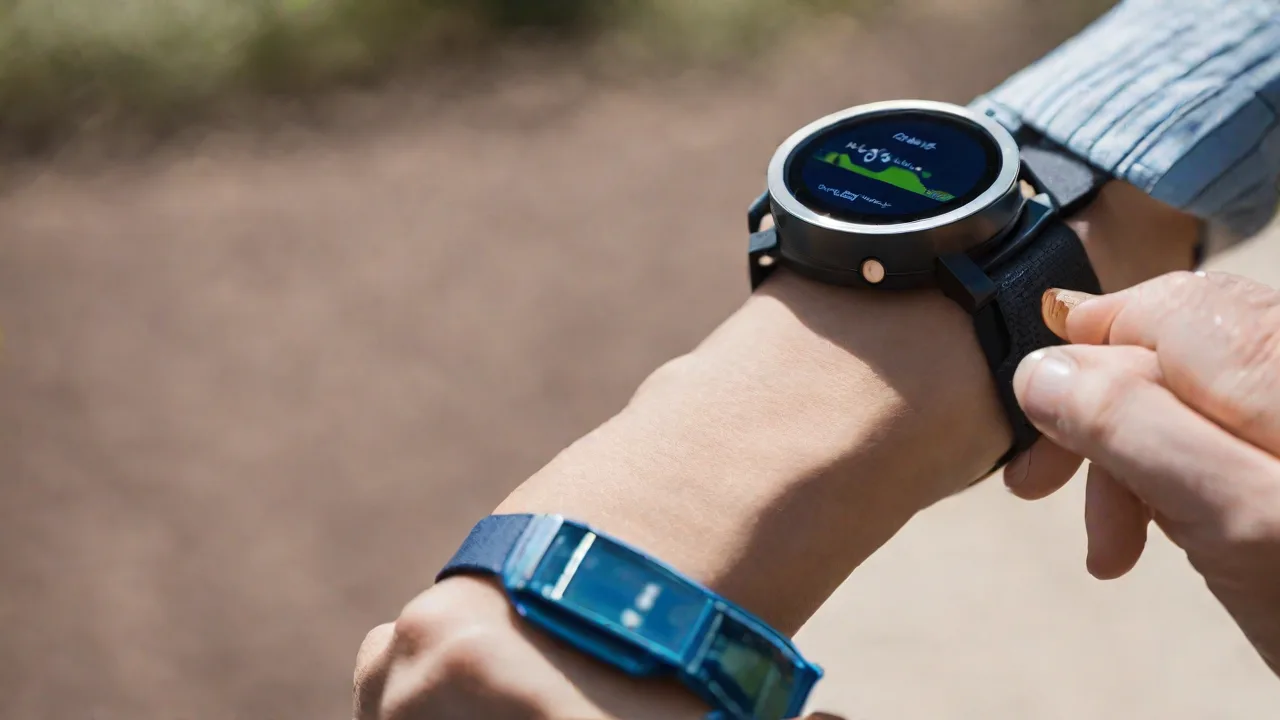
Some CGM systems can display glucose readings directly on smartwatches, allowing you to monitor your levels without pulling out your phone. The Dexcom G6 and G7, for example, can send glucose readings to Apple Watch, allowing you to see your current glucose level, trend arrow, and graph with a quick glance at your wrist. This feature is particularly convenient when traveling and engaged in activities where checking your phone would be inconvenient or inappropriate.

For travelers planning active vacations involving hiking, skiing, water sports, or other vigorous activities, understanding how exercise affects your glucose levels is crucial for safety. Many diabetes management apps can help you identify patterns in how different types and intensities of activity impact your glucose, allowing you to develop strategies for maintaining stable levels during your adventures. Some apps even provide activity-specific recommendations for adjusting insulin doses or carbohydrate intake before, during, and after exercise.

Emergency Preparedness and Medical ID Tools

Despite careful planning and management, emergencies can occur while traveling, and being prepared with the right tools and information can be lifesaving. Medical identification and emergency information tools ensure that first responders and healthcare providers can quickly access critical information about your diabetes and other health conditions if you’re unable to communicate.

Digital Medical ID Features

Both iOS and Android devices include built-in medical ID features that display critical health information on your phone’s lock screen, accessible without unlocking the device. Setting up your phone’s medical ID with information about your diabetes, medications, allergies, emergency contacts, and healthcare providers ensures that this information is immediately available to anyone trying to help you in an emergency.

On iPhone, the Health app includes a Medical ID feature that can be accessed from the lock screen by tapping Emergency and then Medical ID. On Android devices, emergency information can be added through the Settings menu and accessed from the lock screen. Taking a few minutes to set up these features before traveling provides an important safety net that could prove crucial in an emergency situation.

Some diabetes management apps also include emergency information features that provide more detailed diabetes-specific information, such as your typical insulin doses, target glucose ranges, and specific instructions for treating highs or lows. While these apps require unlocking your phone to access, they can provide valuable additional information to healthcare providers treating you in an emergency.

Physical Medical ID Jewelry and Cards

While digital medical IDs are valuable, physical medical identification jewelry or cards provide a backup that doesn’t rely on technology or battery power. Medical ID bracelets, necklaces, and wallet cards clearly identify you as having diabetes and can include additional information such as whether you use insulin, emergency contact numbers, and other relevant medical conditions.

Organizations like MedicAlert provide medical ID jewelry with 24/7 emergency response services. In an emergency, first responders can call the number on your MedicAlert ID to access your complete medical profile, including detailed information about your diabetes management, medications, allergies, and healthcare providers. This service is particularly valuable when traveling internationally, as it provides access to your medical information regardless of language barriers or access to your personal devices.

When selecting medical ID jewelry for travel, choose something durable and comfortable that you’ll actually wear consistently. The identification should clearly state “DIABETES” or “TYPE 1 DIABETES” or “TYPE 2 DIABETES” along with any other critical information such as “INSULIN DEPENDENT” if applicable. Some people prefer to wear both a bracelet and necklace for redundancy, ensuring their diabetes will be identified even if one piece of jewelry is removed or overlooked.

Travel Planning and Documentation Apps

Proper planning and documentation are essential for safe diabetes travel, and several apps and tools can help you organize the necessary information and paperwork. Having the right documentation can smooth your passage through airport security, help you obtain medical care if needed, and ensure you have access to necessary supplies throughout your trip.

Medical Documentation and Prescription Management

Carrying documentation from your healthcare provider explaining your diabetes and the medical necessity of your supplies and devices is crucial for travel, especially when flying or crossing international borders. This documentation should list all your medications, devices, and supplies, and explain why you need to carry them with you. Many healthcare providers can provide standardized travel letters for patients with diabetes.

Apps like CamScanner or Adobe Scan allow you to create digital copies of your prescriptions, medical letters, and other important documents, storing them securely on your phone where they’re always accessible. Having digital copies ensures you won’t lose critical documentation and makes it easy to share information with healthcare providers or pharmacies if needed. It’s also wise to email these documents to yourself or store them in cloud storage as an additional backup.

For international travel, having prescriptions that use generic medication names rather than brand names can be helpful, as brand names vary by country. Your healthcare provider can provide prescriptions using international nonproprietary names (INNs) that will be recognized worldwide. Some travelers also find it helpful to have their prescriptions translated into the language of their destination country, which can facilitate obtaining refills if necessary.

Travel Insurance and Medical Assistance Apps

Travel insurance that covers pre-existing conditions like diabetes is essential for protecting yourself against the potentially enormous costs of medical care while traveling. Many standard travel insurance policies exclude coverage for pre-existing conditions, so it’s important to specifically seek out policies that include this coverage. Apps from travel insurance providers allow you to access your policy information, file claims, and contact emergency assistance services from your phone.

Some travel insurance companies and medical assistance organizations offer apps that help you locate nearby medical facilities, connect with English-speaking doctors, and coordinate care if you need medical attention while traveling. These services can be invaluable if you experience diabetes-related complications or other health issues away from home. Before purchasing travel insurance, carefully review the policy to understand what is and isn’t covered, and ensure that diabetes-related care is included.

Essential Tips for Maximizing Your Diabetes Travel Technology

Having the right tools and apps is only part of successful diabetes travel management. Using these technologies effectively requires planning, preparation, and some practical strategies to ensure everything works smoothly when you’re away from home.

Test Everything Before You Travel

Don’t wait until you’re at the airport or your destination to discover that a device isn’t working properly or an app isn’t syncing correctly. Test all your diabetes technology several days before your trip to ensure everything is functioning as expected. Check that your glucose meter is accurate, your CGM sensor is reading correctly, your insulin pump is working properly, and all your apps are syncing and displaying data correctly. This advance testing gives you time to troubleshoot problems, replace faulty devices, or contact technical support if necessary.

Make sure all your devices are fully charged and that you have the necessary charging cables and adapters for your destination. If you’re traveling internationally, verify that your chargers are compatible with the electrical outlets and voltage in your destination country, and bring appropriate adapters if needed. Consider bringing portable battery packs to charge your phone and other devices when outlets aren’t available, such as during long flights or outdoor activities.

Carry Comprehensive Backup Supplies

Technology can fail, devices can be lost or damaged, and supplies can run out faster than expected. Always carry backup supplies and alternative methods for managing your diabetes. If you use a CGM, bring a traditional blood glucose meter and test strips as a backup. If you use an insulin pump, carry insulin pens or syringes in case of pump failure. Pack at least twice as many supplies as you think you’ll need for the duration of your trip, and divide them between multiple bags so you’re not left without anything if a bag is lost.

Keep a written or printed backup of critical information such as your medication list, insulin doses, emergency contacts, and healthcare provider information. While digital tools are convenient, having paper backups ensures you can access this information even if your phone is lost, stolen, damaged, or out of battery. Some travelers keep this information in a small notebook or on laminated cards in their wallet.

Understand Airport Security Procedures

Airport security screening can be a source of anxiety for travelers with diabetes, but understanding the procedures and your rights can make the process smoother. In the United States, the Transportation Security Administration (TSA) allows you to carry diabetes supplies and medications in quantities exceeding the normal liquid limits, and you’re permitted to carry your supplies in a separate bag for easier screening. Insulin pumps and CGMs can generally go through standard metal detectors and body scanners, though some manufacturers recommend requesting a manual pat-down instead of going through certain types of scanners.

Inform security officers that you have diabetes and are carrying medical supplies and devices. You have the right to request that your supplies be visually inspected rather than X-rayed, though X-rays generally don’t damage diabetes supplies. If you’re wearing an insulin pump or CGM, let security personnel know before screening begins. Having your medical documentation readily accessible can help expedite the screening process if questions arise.

For international travel, research the security procedures and regulations for your destination country, as they may differ from those in your home country. Some countries have stricter regulations about carrying medications and medical devices, and having proper documentation becomes even more important when crossing international borders.

Stay Connected and Informed

Ensure you have reliable internet connectivity during your travels so your diabetes management apps can sync data, you can access online resources, and you can communicate with your healthcare team if needed. Consider purchasing an international data plan or local SIM card if traveling abroad, or research Wi-Fi availability at your accommodations and destinations. Some diabetes management apps can function offline and sync data when connectivity is restored, but real-time features like remote monitoring and telehealth consultations require active internet connections.

Before traveling, provide your healthcare team with your itinerary and contact information, and confirm how to reach them if you need advice or assistance while away. Some healthcare providers offer telehealth appointments that can be conducted from anywhere, which can be invaluable if you’re experiencing problems managing your diabetes during your trip. Knowing you have access to professional support can provide significant peace of mind when traveling.

Adapt Your Management to Travel Conditions

Travel often involves changes in routine, activity levels, meal timing, and stress levels, all of which can affect blood glucose levels. Use your diabetes management tools to monitor how these changes impact your glucose and be prepared to adjust your management accordingly. You may need different insulin doses, more frequent glucose monitoring, or different carbohydrate intake than usual. Your CGM data and diabetes management apps can help you identify patterns and make informed adjustments.

When crossing time zones, work with your healthcare provider before your trip to develop a plan for adjusting your medication schedule. Some people find it helpful to gradually shift their schedule in the days before travel, while others prefer to make adjustments during the flight. Your diabetes management app reminders can be adjusted to help you transition to your destination’s time zone while maintaining appropriate medication timing.

Be prepared for the unexpected and stay flexible in your management approach. Travel rarely goes exactly as planned, and being able to adapt your diabetes management to changing circumstances is crucial for staying safe and healthy. Your diabetes technology tools provide the data and insights you need to make informed decisions, but ultimately you need to use your judgment and experience to manage your condition effectively in diverse situations.

Looking Ahead: The Future of Diabetes Travel Technology

The field of diabetes technology continues to evolve rapidly, with new innovations constantly emerging that promise to make diabetes management during travel even easier and more effective. Understanding upcoming developments can help you anticipate future options and make informed decisions about when to upgrade your current tools.

Artificial pancreas systems, also called automated insulin delivery (AID) systems, represent the cutting edge of diabetes technology. These systems integrate CGMs with insulin pumps and sophisticated algorithms that automatically adjust insulin delivery based on glucose readings, essentially automating much of diabetes management. Several AID systems are already available, including the Medtronic 770G, Tandem Control-IQ, and Omnipod 5, with more in development. For travelers, these systems offer the promise of more stable glucose levels with less active management, potentially reducing the stress and burden of diabetes care while away from home.

Advances in CGM technology continue to improve accuracy, reduce size, and extend sensor life. Some companies are developing CGMs that last for months rather than days or weeks, which would significantly reduce the burden of sensor changes and the amount of supplies travelers need to carry. Non-invasive glucose monitoring technologies that don’t require sensor insertion are also in development, though none have yet achieved the accuracy and reliability needed for widespread use.

Artificial intelligence and machine learning are being increasingly integrated into diabetes management apps, providing more sophisticated predictive insights and personalized recommendations. These technologies can learn from your individual patterns and responses, offering increasingly accurate predictions about how different foods, activities, and situations will affect your glucose levels. For travelers, this could mean better guidance on managing diabetes in unfamiliar situations and environments.

Improved integration and interoperability between different diabetes devices and apps is another important trend. Efforts are underway to create standardized data formats and communication protocols that would allow any diabetes device to work seamlessly with any diabetes app, giving users more freedom to choose the tools that best meet their needs without worrying about compatibility issues. This improved integration would be particularly valuable for travelers who may need to use different devices or apps in different situations.

Conclusion: Empowering Safe and Confident Diabetes Travel

Managing diabetes while traveling no longer needs to be a source of anxiety or a barrier to exploring the world. The impressive array of modern diabetes management tools and apps available today provides travelers with diabetes the resources they need to maintain excellent glucose control, prevent complications, and enjoy their travels with confidence. From advanced continuous glucose monitors and smart insulin delivery devices to comprehensive management apps and specialized travel resources, technology has transformed diabetes travel from a daunting challenge into a manageable aspect of trip planning.

The key to successful diabetes travel lies in choosing the right combination of tools for your individual needs, thoroughly preparing before your trip, and using your technology effectively to monitor and adjust your management in response to the changing conditions of travel. Whether you prefer the simplicity of a reliable blood glucose meter and insulin pen or the advanced capabilities of a CGM and insulin pump system, there are options available to support your diabetes management at every level of technological sophistication.

Remember that technology is a tool to support your diabetes management, not a replacement for your own knowledge, experience, and judgment. The most sophisticated devices and apps in the world are only as effective as the person using them. Take time to learn your tools thoroughly, understand how different factors affect your glucose levels, and develop the confidence to make informed decisions about your diabetes care in diverse situations. With proper preparation, the right tools, and a proactive approach to management, you can travel safely and enjoyably while maintaining excellent diabetes control.

As diabetes technology continues to advance, the future promises even more innovative solutions that will make diabetes travel progressively easier and more seamless. Staying informed about new developments and being willing to adopt new tools when they offer meaningful benefits can help you continually improve your diabetes management and expand your travel possibilities. Whether you’re planning a weekend getaway or a months-long international adventure, the diabetes management tools and apps available today provide the foundation for safe, healthy, and confident travel.

For more information about traveling with diabetes, visit the American Diabetes Association’s travel resources or consult with your healthcare provider about developing a personalized travel management plan. Additional helpful resources can be found through the Centers for Disease Control and Prevention and JDRF’s travel guidance. With the right preparation, tools, and support, diabetes doesn’t have to limit your travel dreams or diminish your adventures.