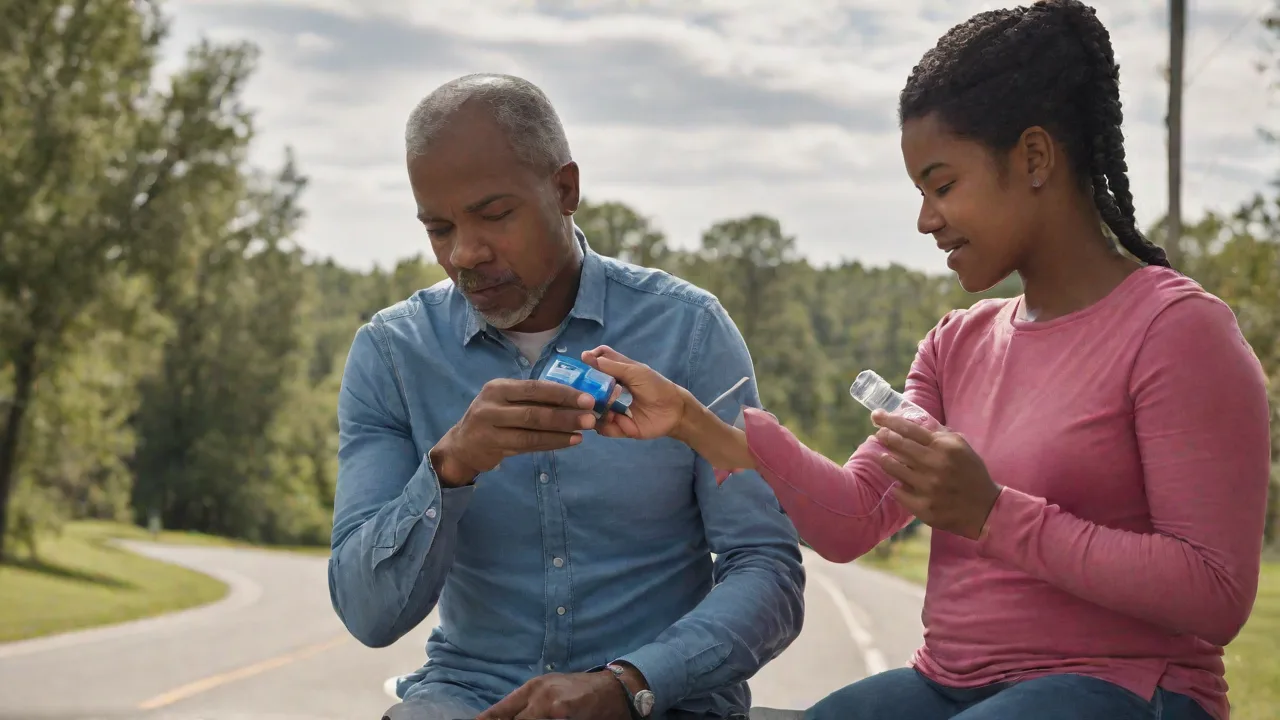
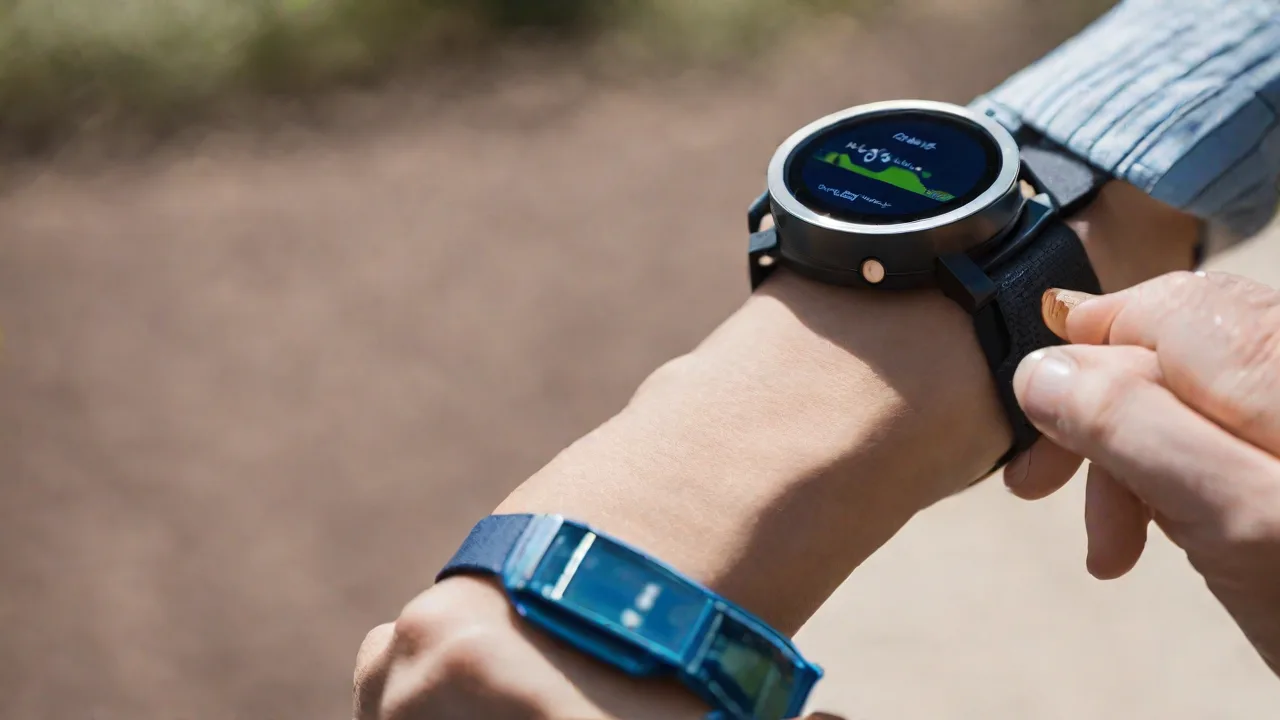
Sun, Sea, and Blood Sugar: Staying Safe During Travel to Warm Climates

Table of Contents

Traveling to warm, sunny destinations is one of life’s great pleasures—whether you’re lounging on a pristine beach, exploring tropical rainforests, or immersing yourself in vibrant coastal cultures. For the millions of people managing diabetes or other blood sugar-related conditions, however, these dream vacations require thoughtful preparation and ongoing vigilance. The combination of heat, changes in routine, unfamiliar foods, and increased physical activity can significantly impact blood glucose levels, potentially turning a relaxing getaway into a medical emergency if proper precautions aren’t taken.

The good news is that with careful planning, appropriate supplies, and knowledge of how environmental factors affect your body, you can safely enjoy all the adventures that warm-climate destinations have to offer. This comprehensive guide will walk you through everything you need to know about managing blood sugar while traveling to hot, sunny locations—from protecting your medications and monitoring devices from heat damage to navigating unfamiliar cuisines and staying safe during water activities.

Understanding How Heat Affects Blood Sugar Management

Before diving into specific strategies, it’s essential to understand the complex relationship between heat exposure and blood glucose regulation. High temperatures don’t just make you uncomfortable—they can directly and indirectly affect your blood sugar levels in multiple ways.

The Physiological Impact of Heat on Blood Glucose

When your body is exposed to high temperatures, several physiological changes occur that can influence blood sugar levels. Heat causes blood vessels to dilate, which can increase the absorption rate of insulin if you use injections or an insulin pump. This faster absorption may lead to unexpected drops in blood glucose, particularly if you’re not monitoring closely or haven’t adjusted your dosing accordingly.

Additionally, hot weather increases perspiration as your body works to cool itself through evaporation. This fluid loss can lead to dehydration, which concentrates the glucose in your bloodstream and can result in elevated blood sugar readings. Dehydration also makes it harder for your body to regulate temperature effectively, creating a potentially dangerous cycle.

Heat stress can also trigger the release of stress hormones like cortisol and adrenaline, which naturally raise blood glucose levels as part of your body’s fight-or-flight response. For people with diabetes, this hormonal response can be particularly problematic, as their bodies may not be able to produce enough insulin to counteract the glucose-raising effects of these stress hormones.

How Heat Damages Diabetes Supplies and Medications

Beyond the direct physiological effects, heat poses significant risks to the medications and devices that people with diabetes depend on for blood sugar management. Insulin is particularly temperature-sensitive and can lose its effectiveness when exposed to temperatures above 86°F (30°C) or below freezing. Once insulin has been heat-damaged, it may appear normal but will not work properly, leading to unexpectedly high blood sugar levels that can be difficult to diagnose.

Blood glucose meters and continuous glucose monitors (CGMs) can also malfunction in extreme heat. Test strips may provide inaccurate readings when stored improperly, and the electronic components in meters and CGMs can fail when exposed to high temperatures or direct sunlight. This equipment failure can leave you without reliable information about your blood sugar levels at the most critical times.

Insulin pumps face similar challenges, as the insulin reservoir is constantly exposed to body heat and ambient temperatures. In very hot climates, the insulin in your pump may degrade faster than usual, requiring more frequent cartridge changes and careful monitoring for signs of insulin failure.

Pre-Travel Planning and Preparation

Successful blood sugar management during warm-climate travel begins long before you board your flight. Thorough preparation can prevent most problems and ensure you have the resources you need to handle unexpected situations.

Consulting Your Healthcare Team

Schedule an appointment with your endocrinologist or primary care physician at least four to six weeks before your departure date. This timing allows enough time to address any concerns, adjust medications if necessary, and obtain required documentation. During this visit, discuss your travel plans in detail, including your destination’s climate, planned activities, typical meal times, and any time zone changes you’ll experience.

Your healthcare provider can help you develop a modified management plan that accounts for increased physical activity, dietary changes, and heat exposure. They may recommend adjusting your insulin doses, changing the timing of medications, or switching to different formulations that might be more stable in hot conditions. Ask for written instructions that clearly outline these adjustments so you can reference them during your trip.

Request a letter from your doctor that explains your medical condition and lists all medications, supplies, and devices you need to carry. This documentation is invaluable when going through airport security, customs, or if you need medical care while traveling. The letter should be on official letterhead and include your doctor’s contact information. Some countries may require this documentation to be translated into the local language, so inquire about this requirement well in advance.

Assembling Your Diabetes Travel Kit

Creating a comprehensive diabetes travel kit is one of the most important steps in your preparation. The golden rule is to pack at least twice as many supplies as you think you’ll need—this accounts for unexpected delays, lost luggage, damaged supplies, or changes in your management needs due to altered activity levels or stress.

Your travel kit should include all your regular diabetes supplies: blood glucose meter with extra batteries, test strips (in their original sealed containers), lancets and lancing device, insulin or other diabetes medications, syringes or pen needles, alcohol swabs, and sharps container. If you use an insulin pump or CGM, pack extra infusion sets, sensors, insertion devices, adhesive patches, and skin preparation supplies. Don’t forget glucose tablets or gels for treating low blood sugar, as well as a glucagon emergency kit if prescribed.

Invest in a high-quality insulated medication cooler specifically designed for insulin storage. These coolers use various cooling technologies—from simple evaporative cooling to battery-powered refrigeration—to maintain safe temperatures for your insulin even in hot conditions. Test your cooler before your trip to ensure it works effectively and that you understand how to use it properly.

Pack a small notebook or use a smartphone app to log your blood sugar readings, food intake, activity levels, and any symptoms you experience. This record can be invaluable if you need medical care during your trip or if you need to troubleshoot unexpected blood sugar patterns with your healthcare team remotely.

Travel Insurance and Medical Information

Purchase comprehensive travel insurance that specifically covers pre-existing conditions, including diabetes. Standard travel insurance policies often exclude coverage for complications related to pre-existing conditions, leaving you potentially responsible for enormous medical bills if you experience a diabetes-related emergency abroad. Read the policy carefully and confirm in writing that your diabetes and any related complications will be covered.

Research medical facilities at your destination before you leave. Identify hospitals or clinics that have experience treating diabetes and that have English-speaking staff if you’re traveling to a non-English-speaking country. Save the addresses, phone numbers, and GPS coordinates of these facilities in your phone and write them down on a card you keep in your wallet. The International Diabetes Federation website offers resources for finding diabetes care worldwide.

Wear a medical identification bracelet or necklace that clearly states you have diabetes and lists any allergies or other important medical information. In an emergency, this identification can be life-saving, especially if you’re unable to communicate. Consider carrying a medical ID card in your wallet as well, with information in both English and the local language of your destination.

Protecting Your Skin and Body from Sun Exposure

Sun protection is crucial for everyone, but people with diabetes face additional risks from sun exposure and heat-related illnesses. Diabetes can affect your body’s ability to sense and respond to temperature changes, and certain diabetes complications—particularly neuropathy—can impair your awareness of overheating or sunburn until significant damage has occurred.

Comprehensive Sun Protection Strategies

Apply a broad-spectrum sunscreen with an SPF of at least 30 to all exposed skin at least 15-30 minutes before going outdoors. Broad-spectrum protection is essential because it shields against both UVA rays (which cause premature aging and can penetrate deeper into the skin) and UVB rays (which cause sunburn and are the primary cause of skin cancer). For people with diabetes, who may have slower wound healing and increased infection risk, preventing sunburn is particularly important.

Reapply sunscreen every two hours, or more frequently if you’re swimming or sweating heavily. Many people don’t apply enough sunscreen initially—you should use approximately one ounce (enough to fill a shot glass) to cover your entire body. Don’t forget commonly missed areas like the tops of your feet, ears, back of your neck, and the part in your hair.

Wear protective clothing designed for sun protection. Look for garments with a UPF (Ultraviolet Protection Factor) rating of 50+, which blocks approximately 98% of UV radiation. Lightweight, long-sleeved shirts and pants made from moisture-wicking fabrics can actually keep you cooler than shorts and tank tops while providing superior sun protection. Wide-brimmed hats that shade your face, ears, and neck are essential, as are UV-blocking sunglasses to protect your eyes—particularly important for people with diabetes, who are at higher risk for eye complications.

Plan your outdoor activities strategically to avoid the most intense sun exposure. UV radiation is strongest between 10 a.m. and 4 p.m., so schedule beach time, sightseeing, and other outdoor activities for early morning or late afternoon when possible. When you must be outside during peak hours, seek shade frequently—under umbrellas, trees, or covered structures. Remember that UV rays can reflect off water, sand, and concrete, so you can still get sunburned in shaded areas near these reflective surfaces.

People with diabetes are at increased risk for heat exhaustion and heat stroke, conditions that can be life-threatening if not recognized and treated promptly. Heat exhaustion symptoms include heavy sweating, weakness, cold and clammy skin, fast but weak pulse, nausea or vomiting, and fainting. If you or a travel companion experience these symptoms, move to a cool location immediately, loosen clothing, apply cool wet cloths to the body, and sip water slowly.

Heat stroke is a medical emergency characterized by a body temperature above 103°F, hot and dry skin (sweating may have stopped), rapid and strong pulse, confusion, and possible unconsciousness. If you suspect heat stroke, call emergency services immediately and begin cooling the person with whatever means available—move them to shade, apply ice packs to the neck, armpits, and groin, and fan them while misting with water.

The challenge for people with diabetes is that symptoms of heat-related illness can mimic symptoms of high or low blood sugar. Confusion, weakness, rapid heartbeat, and sweating can indicate hypoglycemia, hyperglycemia, or heat illness. When in doubt, check your blood sugar first—if it’s in a normal range and symptoms persist, treat for heat illness and seek medical attention.

Prevent heat-related illnesses by staying well-hydrated, taking frequent breaks in air-conditioned or shaded areas, wearing appropriate clothing, and being honest with yourself about your limits. If you start feeling unwell, don’t push through it—rest, cool down, check your blood sugar, and hydrate before resuming activities.

Hydration and Blood Sugar Balance

Maintaining proper hydration is absolutely critical for blood sugar management in hot climates, yet it’s one of the most commonly overlooked aspects of diabetes travel care. The relationship between hydration and blood glucose is bidirectional and complex—dehydration can raise blood sugar levels, while high blood sugar can cause increased urination that leads to dehydration.

Understanding Your Hydration Needs

In hot climates, your fluid needs can increase dramatically—sometimes doubling or tripling compared to your normal intake. The combination of sweating, increased respiration in hot air, and the diuretic effect of high blood sugar means you need to be proactive about hydration rather than simply drinking when you feel thirsty. By the time you feel thirsty, you’re already mildly dehydrated.

A good baseline is to drink at least 8-10 ounces of water every hour you’re awake, with additional intake before, during, and after physical activity. In very hot conditions or during intense activity, you may need 16-20 ounces per hour or more. Monitor your urine color as a simple hydration indicator—pale yellow indicates good hydration, while dark yellow or amber suggests you need to drink more.

Choose your beverages wisely. Water is the best choice for most hydration needs, but if you’re sweating heavily or engaging in prolonged physical activity, you may need to replace electrolytes as well. Sugar-free sports drinks or electrolyte tablets dissolved in water can help maintain proper sodium, potassium, and other mineral levels without adding carbohydrates that would affect your blood sugar.

Be cautious with alcohol consumption, which can have complex effects on blood sugar and significantly increases dehydration risk. Alcohol can cause delayed hypoglycemia, sometimes occurring many hours after drinking, and impairs your body’s ability to recognize and respond to low blood sugar symptoms. If you choose to drink alcohol, do so in moderation, never on an empty stomach, and always with a carbohydrate-containing meal or snack. Alternate each alcoholic beverage with a full glass of water, and check your blood sugar more frequently for up to 24 hours after drinking.

Practical Hydration Strategies While Traveling

Carry a reusable water bottle with you at all times and make refilling it a regular habit. Many airports now have water bottle filling stations past security, and most hotels and restaurants will refill your bottle upon request. If you’re traveling to a destination where tap water isn’t safe to drink, research water purification options in advance—portable water filters, purification tablets, or UV sterilization devices can make local water safe and save you from constantly purchasing bottled water.

Set reminders on your phone or smartwatch to drink water at regular intervals. It’s easy to get caught up in sightseeing or relaxing and forget to hydrate, especially when you’re having fun. A simple hourly reminder can help establish a consistent hydration routine.

Eat water-rich foods as part of your hydration strategy. Fresh fruits like watermelon, cantaloupe, strawberries, and oranges are composed of 85-95% water and provide hydration along with vitamins, minerals, and fiber. Vegetables like cucumbers, lettuce, celery, and tomatoes are similarly hydrating. These foods can be particularly helpful if you’re struggling to drink enough plain water or if you need a snack that provides hydration without significantly impacting blood sugar.

Managing Blood Sugar Levels During Travel

Travel disrupts virtually every aspect of your normal routine—meal times, sleep schedules, activity levels, and stress levels all change, sometimes dramatically. Each of these factors can affect your blood sugar, and their combined impact can make glucose management particularly challenging.

Monitoring Strategies for Travel

Increase your blood sugar monitoring frequency during travel, especially during the first few days as your body adjusts to new conditions. Check your blood glucose before and after meals, before and after physical activities, before driving or swimming, before bed, and any time you feel “off” or experience symptoms that might indicate high or low blood sugar.

If you use a continuous glucose monitor, take advantage of its trend arrows and alerts to catch blood sugar changes early. However, be aware that CGMs can sometimes be less accurate in extreme heat or at high altitudes, so confirm concerning readings with a fingerstick test before taking corrective action. Keep your CGM sensor and transmitter out of direct sunlight, as overheating can cause sensor failures or inaccurate readings.

Create a simple system for recording your readings, food intake, activity, and any medications or corrections you take. This log will help you identify patterns and make informed adjustments to your management plan. Many smartphone apps can track all this information and even share it with your healthcare team remotely if you need guidance while traveling.

Adjusting Insulin and Medications

Never make major changes to your insulin regimen or other diabetes medications without consulting your healthcare provider. However, you should be prepared to make minor adjustments based on your blood sugar patterns, activity levels, and food intake. Your pre-travel consultation should include clear guidelines about when and how to adjust your doses.

If you’re crossing time zones, work with your healthcare team before your trip to develop a plan for adjusting your medication timing. For short trips (less than a week), some people find it easier to stay on their home time zone schedule for medications. For longer trips, you’ll need to gradually shift your medication times to align with local meal and sleep schedules.

Be aware that increased physical activity—even if it’s just walking more than usual while sightseeing—can significantly lower your blood sugar and increase insulin sensitivity. You may need to reduce your insulin doses or increase your carbohydrate intake to prevent hypoglycemia. Start conservatively with small adjustments and monitor closely to see how your body responds.

Keep all your medications and supplies in your carry-on luggage when flying. Never pack insulin or other temperature-sensitive medications in checked baggage, where they can freeze in the cargo hold or be lost if your luggage goes astray. Carry a copy of your prescriptions and your doctor’s letter explaining your need for these medications and supplies.

Protecting Medications and Supplies from Heat

Store your insulin and other temperature-sensitive medications in the coolest part of your accommodation—typically the main room rather than near windows or in the bathroom. If your room has a refrigerator, you can store unopened insulin vials or pens there, but avoid placing them directly against the cooling element where they might freeze. The butter compartment or door shelves are usually the best spots.

When you’re out for the day, keep your insulin in an insulated cooler pack with a cold pack or cooling crystals. Don’t let insulin come into direct contact with ice or frozen gel packs, as freezing will permanently damage it. Use a barrier like a small towel or the insulin’s packaging to prevent direct contact. Test your cooling pack at home before your trip to ensure it maintains appropriate temperatures.

Never leave your diabetes supplies in a parked car, even for a short time. Car interiors can reach temperatures of 140-180°F on hot days, which will quickly destroy insulin, damage test strips, and potentially cause glucose meters and other devices to malfunction. If you must leave supplies in a car, use a high-quality cooler and park in the shade, but even then, minimize the time supplies are left in the vehicle.

Be alert for signs that your insulin may have been heat-damaged. Insulin that has been exposed to high temperatures may appear cloudy (if it’s normally clear), have particles floating in it, or have changed color. However, damaged insulin often looks completely normal, so if you suspect heat exposure and your blood sugars are unexpectedly high despite appropriate dosing, switch to a fresh vial or pen from your backup supply.

One of the joys of travel is experiencing new cuisines and local specialties, but unfamiliar foods can make carbohydrate counting and blood sugar prediction challenging. With some strategies and flexibility, you can enjoy local cuisine while maintaining good glucose control.

Understanding Local Cuisines and Carbohydrate Content

Before your trip, research typical dishes and ingredients in your destination’s cuisine. Many tropical and warm-climate regions feature rice, tropical fruits, starchy vegetables like plantains and cassava, and sweetened beverages as dietary staples. Understanding the carbohydrate content of these foods will help you make informed choices and dose insulin appropriately.

Smartphone apps like MyFitnessPal or Calorie King can help you estimate carbohydrate content of unfamiliar foods, though their databases may be limited for regional specialties. When in doubt, start with a conservative estimate and monitor your blood sugar closely after eating. Take photos of your meals and note how they affected your blood sugar—this information will help you make better choices if you eat similar foods again during your trip.

Be cautious with tropical fruits, which can be higher in natural sugars than you might expect. Mangoes, pineapples, bananas, and dates are delicious but can cause significant blood sugar spikes if eaten in large quantities. Enjoy them in moderation and account for their carbohydrate content in your meal planning. Pairing fruit with protein or healthy fats can help slow sugar absorption and minimize blood glucose spikes.

Restaurant and Street Food Strategies

When dining out, don’t hesitate to ask questions about how dishes are prepared and what ingredients they contain. Most restaurants are accustomed to dietary questions and restrictions and will accommodate reasonable requests. Ask for sauces and dressings on the side so you can control how much you consume, request grilled or baked preparations instead of fried, and inquire about substituting non-starchy vegetables for rice, potatoes, or other high-carbohydrate sides.

Street food can be one of the most authentic and enjoyable aspects of travel, but it requires extra caution for people with diabetes. Beyond the blood sugar management considerations, food safety is crucial—foodborne illness can cause vomiting and diarrhea that make blood sugar management extremely difficult and can lead to dangerous dehydration. Choose vendors that appear clean and busy (high turnover means fresher food), avoid raw or undercooked items, and stick to foods that are cooked thoroughly and served hot.

Buffets and all-inclusive resorts present unique challenges with unlimited food availability and unfamiliar dishes. Survey the entire buffet before filling your plate so you can make informed choices rather than impulsively loading up on high-carbohydrate items. Fill half your plate with non-starchy vegetables, one quarter with lean protein, and one quarter with carbohydrates. This balanced approach helps control portions and blood sugar while still allowing you to sample various dishes.

Maintaining Meal Timing and Consistency

Try to maintain relatively consistent meal timing, even though your schedule may be different from home. Skipping meals or eating at wildly different times each day can make blood sugar management much more difficult, especially if you take insulin or medications that can cause hypoglycemia.

Always carry emergency snacks with you—glucose tablets, granola bars, nuts, or other non-perishable items that can treat low blood sugar or tide you over if a meal is delayed. This is particularly important when participating in tours or excursions where you may not have easy access to food for several hours.

If you’re on a tour or excursion, inform your guide about your diabetes and your need to eat at regular intervals. Most tour operators are accommodating and will ensure you have opportunities to check your blood sugar and eat snacks as needed. Don’t be embarrassed about taking care of your health—a brief snack break is far better than experiencing a hypoglycemic emergency.

Staying Safe During Water Activities

Swimming, snorkeling, diving, surfing, and other water activities are highlights of many warm-climate vacations. These activities can be safely enjoyed by people with diabetes, but they require special precautions and planning.

Pre-Activity Blood Sugar Management

Check your blood sugar 30 minutes before entering the water and again immediately before starting your activity. Your blood glucose should ideally be between 120-180 mg/dL before swimming or other water activities. If it’s below 120 mg/dL, eat a snack containing 15-30 grams of carbohydrates and wait 15-20 minutes before entering the water, then recheck to ensure your level has risen appropriately.

If your blood sugar is above 250 mg/dL, check for ketones (if you have type 1 diabetes). If ketones are present, do not engage in strenuous activity until your blood sugar is under better control and ketones have cleared. Exercise with high blood sugar and ketones can worsen ketoacidosis, a potentially life-threatening condition.

Physical activity in water can lower blood sugar significantly, and the effects may continue for several hours after you finish. The cooling effect of water can also mask the symptoms of hypoglycemia, making it harder to recognize when your blood sugar is dropping. Plan to check your blood sugar every 30-60 minutes during extended water activities and have fast-acting carbohydrates readily available at the water’s edge.

Safety Precautions for Water Activities

Never swim alone. Always have a companion who knows you have diabetes, understands the symptoms of hypoglycemia, and knows what to do if you need help. Brief your swimming partner before entering the water about what to watch for and where your emergency supplies are located.

Wear a waterproof medical ID bracelet or necklace that clearly identifies you as having diabetes. In an emergency, this identification could be life-saving. You can also purchase waterproof ID cards or pouches that attach to your swimsuit or wetsuit with more detailed medical information.

Keep fast-acting carbohydrates and your blood glucose meter in a waterproof container at the water’s edge or on your boat. Glucose tablets are more practical than gels or liquids for beach or poolside storage, as they won’t melt or leak. Have at least 45-60 grams of fast-acting carbohydrates available—enough to treat multiple episodes of hypoglycemia if needed.

If you use an insulin pump, you’ll need to decide whether to disconnect it during water activities. Most modern pumps are water-resistant to some degree, but check your specific model’s specifications. If you disconnect your pump, don’t stay disconnected for more than 1-2 hours, and check your blood sugar when you reconnect. Some people find it helpful to take a small injection of rapid-acting insulin before disconnecting for extended periods to prevent blood sugar from rising too high.

For CGM users, most sensors are waterproof and can be worn during swimming and water sports. However, the adhesive may loosen with prolonged water exposure, so consider using additional waterproof adhesive patches or tape to secure your sensor. Some people find that applying liquid bandage or skin adhesive around the edges of the sensor before swimming helps it stay in place.

Specific Considerations for Different Water Activities

Snorkeling and scuba diving require special attention to blood sugar management. For scuba diving in particular, many dive operators require medical clearance for divers with diabetes, and some may have restrictions or refuse to allow people with diabetes to dive. If you plan to scuba dive, consult with your healthcare provider well before your trip and obtain written clearance. The Divers Alert Network provides specific guidelines for diving with diabetes that both you and dive operators can reference.

Surfing, paddleboarding, and kayaking present challenges for keeping diabetes supplies nearby. Consider using a waterproof dry bag attached to your board or kayak with emergency glucose and a waterproof glucose meter. Some athletes use waterproof pouches that attach to their bodies to carry glucose tablets while in the water.

For activities like water skiing or tubing where you’re moving quickly and may be far from shore, ensure that someone in the boat is aware of your diabetes and knows where your supplies are stored. Check your blood sugar before starting and immediately after finishing, and be conservative about your blood glucose targets—it’s better to start a bit higher than to risk hypoglycemia while far from shore.

Physical Activity and Exercise in Hot Climates

Vacation often means more physical activity than usual—walking through cities, hiking to scenic viewpoints, playing beach volleyball, or trying adventure sports. While this increased activity is generally healthy, it requires careful blood sugar management and attention to heat safety.

Planning and Preparing for Physical Activities

Before engaging in any significant physical activity, check your blood sugar and have a plan for how you’ll manage it during and after exercise. Understand that physical activity can lower blood sugar for up to 24 hours after you finish, so you may need to adjust your insulin doses or increase your carbohydrate intake not just during the activity but for the rest of the day and even into the next day.

Start new activities gradually and monitor how they affect your blood sugar. A hike that would be moderate at home may be much more challenging in heat and humidity, causing a greater drop in blood glucose than you’d expect. Begin with shorter durations or lower intensities and increase gradually as you see how your body responds.

Time your activities strategically to avoid the hottest parts of the day. Early morning and late afternoon are ideal for hiking, cycling, or other strenuous activities. Not only will you avoid the most intense heat and sun exposure, but you’ll often encounter fewer crowds and may see more wildlife during these times.

During-Activity Management

Carry a small pack with diabetes supplies, water, snacks, and sun protection whenever you’re active. A lightweight hydration pack or small backpack can hold everything you need without being burdensome. Include your blood glucose meter, fast-acting carbohydrates, longer-acting snacks like granola bars or trail mix, extra water, sunscreen, and your medical ID information.

Take regular breaks to rest, hydrate, check your blood sugar, and cool down. Don’t push through warning signs like dizziness, excessive fatigue, confusion, or feeling unwell. These symptoms could indicate hypoglycemia, hyperglycemia, dehydration, or heat illness—all of which require immediate attention.

If you’re participating in organized activities or tours, inform the guide or instructor about your diabetes at the beginning. Show them where you keep your emergency supplies and explain what symptoms to watch for. Most guides appreciate this information and will help ensure you have opportunities to check your blood sugar and take breaks as needed.

Post-Activity Monitoring and Recovery

Check your blood sugar immediately after finishing physical activity and continue monitoring more frequently for the next 12-24 hours. Physical activity increases insulin sensitivity, meaning your body uses insulin more effectively for hours after you exercise. This can lead to delayed hypoglycemia, sometimes occurring in the middle of the night after a day of activity.

You may need to reduce your insulin doses or eat additional carbohydrates after significant physical activity to prevent low blood sugar. Some people find it helpful to reduce their basal insulin or long-acting insulin dose on days with substantial activity, while others prefer to eat additional snacks. Work with your healthcare team before your trip to develop a plan for managing post-exercise blood sugar.

Rehydrate thoroughly after activity, replacing both fluids and electrolytes lost through sweat. Continue drinking water even after you no longer feel thirsty, as it can take several hours to fully rehydrate after significant fluid loss. Eating a balanced meal with carbohydrates, protein, and healthy fats within an hour or two of finishing activity helps stabilize blood sugar and supports recovery.

Managing Sleep and Circadian Rhythm Disruptions

Travel often disrupts sleep patterns through time zone changes, unfamiliar sleeping environments, and altered schedules. Poor sleep can significantly affect blood sugar control, increasing insulin resistance and making glucose levels more unpredictable.

Adjusting to New Time Zones

When crossing multiple time zones, your body’s circadian rhythm—which influences insulin sensitivity, hormone release, and metabolism—becomes misaligned with local time. This jet lag can affect blood sugar control for several days until your body adjusts.

If you’re traveling east (which is generally harder to adjust to), try going to bed and waking up an hour earlier for a few days before your trip. If traveling west, shift your schedule later. This gradual adjustment can minimize jet lag and make blood sugar management easier upon arrival.

During your flight, set your watch to your destination’s time zone and try to eat and sleep according to that schedule. This mental adjustment helps your body begin adapting even before you arrive. Stay well-hydrated during the flight, move around regularly to promote circulation, and avoid excessive alcohol or caffeine, which can worsen jet lag and affect blood sugar.

Optimizing Sleep Quality While Traveling

Create a sleep-friendly environment in your accommodation. Keep the room cool—around 65-68°F is ideal for most people. Use blackout curtains or an eye mask to block light, and consider using earplugs or a white noise app if your room is noisy. Maintaining a cool, dark, quiet sleeping environment promotes better sleep quality, which in turn supports better blood sugar control.

Stick to a consistent sleep schedule as much as possible, even on vacation. Going to bed and waking up at roughly the same time each day helps regulate your circadian rhythm and makes blood sugar more predictable. While it’s tempting to stay up late and sleep in while on vacation, dramatic variations in sleep timing can wreak havoc on glucose control.

Be vigilant about nighttime hypoglycemia, especially after days with increased physical activity. Consider setting an alarm to check your blood sugar in the middle of the night if you’ve been very active or if you’ve made changes to your insulin regimen. If you use a CGM with alarms, ensure the volume is loud enough to wake you and that your travel companions know what the alarms mean and how to help if needed.

Emergency Preparedness and Crisis Management

Despite careful planning and management, emergencies can occur. Being prepared for potential problems can make the difference between a minor inconvenience and a serious medical crisis.

Creating a Comprehensive Emergency Plan

Before your trip, create a written emergency plan that includes contact information for your healthcare team at home, the location and contact information for medical facilities at your destination, your travel insurance policy number and emergency assistance phone number, and contact information for your country’s embassy or consulate at your destination.

Share this plan with your travel companions and keep copies in multiple locations—in your phone, in your wallet, in your luggage, and with someone at home. In a medical emergency, you may not be able to access all of these locations, so redundancy is important.

Ensure your travel companions understand the basics of diabetes management and know how to help in an emergency. They should be able to recognize symptoms of hypoglycemia and hyperglycemia, know where you keep your emergency supplies, and understand how to administer glucagon if you become unconscious from severe hypoglycemia. Consider having them watch a video or read materials about diabetes emergencies before your trip.

Recognizing and Treating Hypoglycemia

Hypoglycemia (low blood sugar) is one of the most common emergencies for people with diabetes, and it can occur more frequently during travel due to increased activity, irregular meals, and changes in routine. Symptoms include shakiness, sweating, confusion, irritability, rapid heartbeat, dizziness, and hunger. Severe hypoglycemia can cause loss of consciousness or seizures.

Treat hypoglycemia immediately with 15-20 grams of fast-acting carbohydrates: glucose tablets, regular (not diet) soda, fruit juice, or hard candy. Wait 15 minutes, then recheck your blood sugar. If it’s still below 70 mg/dL, take another 15-20 grams of carbohydrates. Once your blood sugar returns to normal, eat a snack or meal containing protein and complex carbohydrates to prevent it from dropping again.

If you become unconscious from hypoglycemia, you’ll need a glucagon injection. Make sure your travel companions know where you keep your glucagon emergency kit and have practiced how to prepare and administer it. Glucagon kits now come in easier-to-use forms including nasal powder and pre-filled auto-injectors that require minimal preparation.

Managing Hyperglycemia and Diabetic Ketoacidosis

Hyperglycemia (high blood sugar) can result from insufficient insulin, illness, stress, or consuming more carbohydrates than planned. Symptoms include increased thirst, frequent urination, fatigue, blurred vision, and headache. Persistent hyperglycemia can lead to diabetic ketoacidosis (DKA) in people with type 1 diabetes, a life-threatening condition requiring immediate medical attention.

If your blood sugar is consistently above 250 mg/dL, check for ketones using urine test strips or a blood ketone meter. If ketones are present, drink plenty of water, take correction insulin according to your healthcare provider’s guidelines, and avoid physical activity. If ketones are moderate to high, or if you’re vomiting and unable to keep fluids down, seek medical attention immediately.

Carry ketone test strips with you when traveling, even if you don’t routinely check ketones at home. Illness, heat stress, and the disruptions of travel can increase your risk of developing ketones, and early detection allows for prompt treatment before DKA develops.

Dealing with Illness While Traveling

Illness—whether from foodborne pathogens, viral infections, or other causes—can dramatically affect blood sugar control. Stress hormones released during illness typically raise blood glucose, but vomiting and diarrhea can make it difficult to eat and keep medications down, potentially leading to hypoglycemia.

If you become ill during your trip, check your blood sugar and ketones more frequently—every 2-4 hours. Continue taking your basal insulin or long-acting diabetes medications even if you can’t eat normally. Try to consume small amounts of carbohydrates regularly—crackers, toast, regular soda, or popsicles—to maintain blood sugar and prevent hypoglycemia.

Stay hydrated by sipping water, clear broth, or electrolyte drinks frequently. If you’re vomiting and can’t keep fluids down for more than a few hours, or if you have moderate to high ketones, seek medical attention. Dehydration combined with high blood sugar and ketones can quickly become dangerous.

Know when to seek medical help: persistent vomiting or diarrhea lasting more than 6 hours, inability to keep fluids down, blood sugar consistently above 300 mg/dL that doesn’t respond to insulin, moderate to high ketones, signs of severe dehydration (dark urine, dizziness, rapid heartbeat), or any symptoms that concern you. Don’t hesitate to contact local medical services or your travel insurance’s medical assistance line for guidance.

Special Considerations for Different Types of Warm-Climate Destinations

Different warm-climate destinations present unique challenges and considerations for diabetes management. Understanding these differences can help you prepare more effectively.

Beach and Coastal Destinations

Beach vacations typically involve lots of sun exposure, water activities, and sand—all of which present specific challenges. Sand can damage blood glucose meters and insulin pumps, so keep your supplies in sealed bags or containers. The combination of sun, heat, and reflection off water and sand increases sunburn risk, so be extra diligent about sun protection.

Saltwater can be particularly harsh on CGM adhesive and insulin pump sites, potentially causing them to fail prematurely. Rinse with fresh water after swimming in the ocean and consider using extra adhesive patches to secure devices. Some people find that applying a thin layer of liquid bandage around the edges of their CGM sensor before swimming helps protect it from saltwater damage.

Tropical Rainforest and Jungle Destinations

Tropical environments combine extreme heat with very high humidity, which can make temperature regulation more difficult and increase the risk of heat-related illness. Humidity also affects how quickly sweat evaporates, reducing your body’s ability to cool itself efficiently.

Insect bites are more common in tropical environments and can become infected more easily in people with diabetes, who may have slower wound healing. Use insect repellent containing DEET or picaridin, wear long sleeves and pants when possible, and treat any bites promptly with antiseptic. Check your injection sites and CGM/pump sites regularly for signs of infection.

Remote jungle locations may have limited access to medical care and refrigeration for insulin. Plan accordingly by bringing extra supplies, high-quality cooling packs, and comprehensive first aid supplies. Research the nearest medical facilities before venturing into remote areas and ensure your travel insurance covers medical evacuation if needed.

Desert Destinations

Desert environments present extreme heat and very low humidity, which can lead to rapid dehydration. You may not realize how much fluid you’re losing because sweat evaporates almost instantly in dry air. Increase your water intake significantly—you may need to drink twice as much as you would in a humid environment to stay properly hydrated.

Desert temperatures can fluctuate dramatically between day and night, sometimes dropping 40-50°F after sunset. This temperature variation can affect insulin storage and blood sugar patterns. Be prepared with layers of clothing and ensure your insulin is protected from both extreme heat during the day and potential cold at night.

The intense sun and lack of shade in desert environments increase sunburn and heat illness risk. Plan activities for early morning or late afternoon, carry plenty of water, and know the locations of shaded rest areas or air-conditioned buildings where you can cool down if needed.

High-Altitude Warm Destinations

Some warm-climate destinations are at high altitude—think of cities like Mexico City or destinations in the Andes. High altitude can affect blood sugar in complex ways, and altitude sickness can mimic symptoms of high or low blood sugar, making diagnosis challenging.

Blood glucose meters and CGMs may be less accurate at high altitudes, so confirm concerning readings with multiple tests. The lower oxygen levels at altitude can affect how your body metabolizes glucose and may alter your insulin needs. Monitor your blood sugar more frequently during the first few days at altitude as your body acclimates.

Altitude sickness symptoms—headache, nausea, fatigue, dizziness—can be confused with high or low blood sugar. Always check your blood glucose when experiencing these symptoms to rule out a diabetes-related cause before attributing them solely to altitude. Stay well-hydrated, ascend gradually if possible, and consider discussing altitude sickness prevention medications with your doctor before your trip.

Technology and Apps for Diabetes Management While Traveling

Modern technology can significantly simplify diabetes management during travel, providing tools for tracking, communication, and problem-solving on the go.

Diabetes Management Apps

Comprehensive diabetes management apps allow you to log blood sugar readings, food intake, medications, and activity in one place. Many apps can identify patterns, predict blood sugar trends, and share data with your healthcare team remotely. Popular options include MySugr, Glucose Buddy, and Diabetes:M, though your specific insulin pump or CGM may have its own companion app.

Carbohydrate counting apps help you estimate the carb content of unfamiliar foods, which is particularly useful when traveling. Apps like MyFitnessPal, Calorie King, and Figwee have extensive food databases including many international cuisines. Some apps allow you to take photos of your meals and will estimate carbohydrate content using image recognition technology.

Translation apps can help you communicate about your diabetes in foreign countries. Google Translate and similar apps can translate phrases like “I have diabetes,” “I need sugar,” or “Where is the nearest hospital?” into dozens of languages. Some apps even offer real-time conversation translation, which can be invaluable in medical emergencies.

Remote Monitoring and Telemedicine

Many CGM systems now offer remote monitoring capabilities, allowing family members or healthcare providers to view your blood sugar data in real-time from anywhere in the world. This feature can provide peace of mind for both you and your loved ones, especially if you’re traveling alone or to remote locations.

Telemedicine services allow you to consult with healthcare providers remotely if you encounter problems during your trip. Some travel insurance policies include telemedicine access, or you may be able to use your regular healthcare provider’s telemedicine platform from abroad. Having this option can help you address concerns quickly without needing to find local medical care for non-emergency situations.

Backup and Redundancy

While technology is incredibly helpful, always have low-tech backups. Carry paper copies of important information—prescriptions, medical history, emergency contacts—in case your phone is lost, stolen, or runs out of battery. Keep a written log of your blood sugar readings as a backup to digital tracking, especially if you’re traveling to areas with limited internet connectivity.

Bring backup supplies for all your technology: extra batteries for your glucose meter, charging cables and adapters for your phone and other devices, and a portable battery pack to recharge devices when outlets aren’t available. If you use an insulin pump or CGM, bring backup supplies for manual injection and fingerstick testing in case your devices fail.

Returning Home: Post-Travel Considerations

Your diabetes management responsibilities don’t end when your vacation does. The transition back to your normal routine requires attention to ensure continued good glucose control.

Readjusting to Your Normal Routine

Returning home often involves another time zone change and readjustment to your regular schedule. Continue monitoring your blood sugar frequently during the first few days home as your body readjusts. You may need to gradually shift your medication timing back to your home schedule, especially if you traveled across multiple time zones.

Review your blood sugar logs from your trip to identify any patterns or problems. Did certain activities consistently cause lows? Were there foods that spiked your blood sugar more than expected? Use this information to refine your management strategies for future travel.

Follow-Up Medical Care

Schedule a follow-up appointment with your healthcare provider within a few weeks of returning home, especially if you experienced any problems during your trip or if your blood sugar control was significantly different than usual. Bring your blood sugar logs and discuss any challenges you encountered so you can develop better strategies for future travel.

If you developed any infections, wounds, or other health issues during your trip, ensure they’re properly treated and healing well. People with diabetes are at higher risk for complications from infections and wounds, so don’t ignore minor problems that could become serious.

Final Thoughts: Embracing Travel with Confidence

Traveling to warm climates with diabetes requires planning, preparation, and vigilance, but it absolutely should not prevent you from exploring the world and creating wonderful memories. Millions of people with diabetes travel successfully every year, from weekend beach getaways to extended international adventures.

The key is to approach travel as an extension of your daily diabetes management rather than a break from it. The same principles that keep you healthy at home—regular monitoring, balanced nutrition, appropriate medication use, and attention to how your body feels—apply equally when you’re relaxing on a tropical beach or hiking through a rainforest.

Start with shorter trips to nearby warm-climate destinations to build your confidence and refine your travel management strategies. As you gain experience, you’ll develop a better understanding of how your body responds to travel, heat, and changes in routine, making longer and more adventurous trips easier to manage.

Don’t let fear of the unknown keep you from experiencing the joy of travel. With proper preparation, appropriate supplies, and a flexible mindset, you can safely enjoy sun, sea, and all the adventures that warm-climate destinations offer. Your diabetes is just one aspect of who you are—it doesn’t define your limits or determine your possibilities.

Remember that asking for help is a sign of good self-care, not weakness. Inform travel companions, tour guides, and hotel staff about your diabetes when appropriate. Most people are happy to accommodate your needs and appreciate being informed so they can help if necessary.

Finally, be kind to yourself. Despite your best efforts, blood sugar won’t always be perfect during travel, and that’s okay. The goal is safe, enjoyable travel with reasonable glucose control—not perfection. Learn from each trip, adjust your strategies as needed, and keep exploring. The world is waiting, and your diabetes doesn’t have to hold you back from experiencing it.

Essential Resources and Further Reading

For additional information and support for traveling with diabetes, consider exploring these reputable resources:

  • The American Diabetes Association offers comprehensive travel guides and tips at diabetes.org
  • The International Diabetes Federation provides information about diabetes care worldwide at idf.org
  • The Centers for Disease Control and Prevention offers travel health information at wwwnc.cdc.gov/travel
  • The Divers Alert Network provides guidelines for scuba diving with diabetes at diversalertnetwork.org
  • The Transportation Security Administration offers information about traveling with diabetes supplies at tsa.gov

With knowledge, preparation, and confidence, you can safely enjoy all the beauty, relaxation, and adventure that warm-climate destinations have to offer. Your diabetes journey doesn’t end at your doorstep—it travels with you, manageable and under control, wherever your adventures take you. Safe travels!