Table of Contents
If you live with diabetes, you've probably wondered whether granola belongs in your meal plan. The short answer is yes—but only if you choose wisely. Granola can be a nutritious addition to your diet when you select varieties low in added sugars and rich in fiber. Understanding which ingredients support stable blood sugar and which ones cause spikes is essential for making safe, satisfying choices.
Not all granola is created equal. Some products are loaded with refined sugars, syrups, and high-glycemic ingredients that can wreak havoc on glucose levels. Others are crafted with whole grains, nuts, seeds, and minimal sweeteners—ingredients that actually help regulate blood sugar. This guide will walk you through everything you need to know about granola and diabetes, from ingredient analysis to portion control and meal planning strategies.
Understanding Granola: Core Ingredients and Their Impact on Blood Sugar
Granola is a complex food made from multiple ingredients, each with distinct effects on blood glucose. To make informed choices, you need to understand what goes into your granola and how those components interact with your metabolism.
What Goes Into Typical Granola
Most granola starts with rolled oats, a whole grain that provides soluble fiber and complex carbohydrates. Oats contain beta-glucan, a type of fiber that slows glucose absorption and improves insulin sensitivity. This makes oats one of the better grain choices for people managing diabetes. However, the milling process matters: steel-cut or rolled oats retain more fiber than instant varieties, so whole-rolled oats are the preferred base.
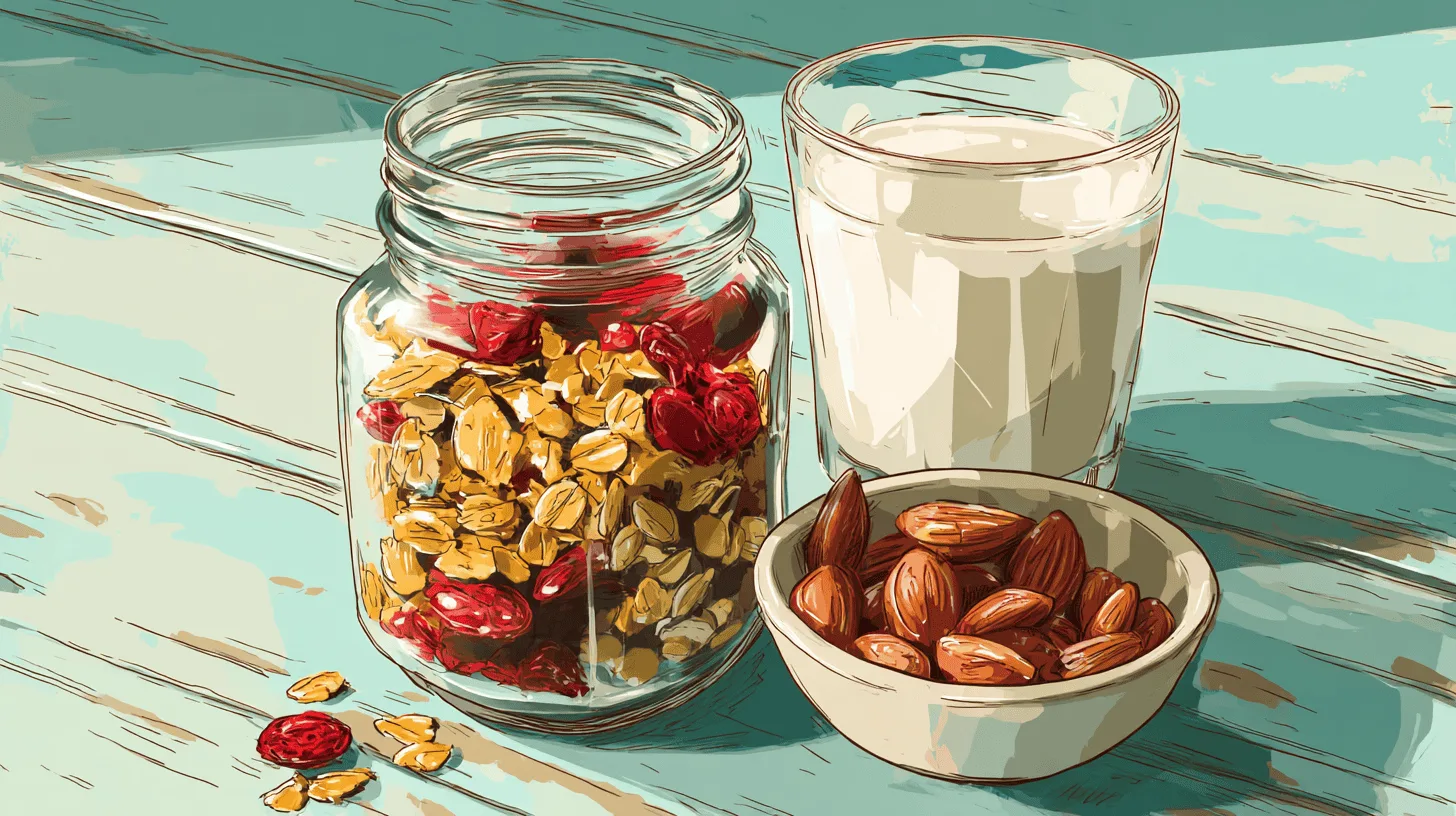
Nuts and seeds are common additions that bring healthy fats, protein, and additional fiber. Almonds, walnuts, pecans, sunflower seeds, and pumpkin seeds all contribute nutrients that help moderate blood sugar response. The fat and protein in these ingredients slow digestion, preventing rapid glucose spikes. Look for granolas where nuts or seeds appear among the first three ingredients—that signals a higher ratio of these beneficial components.
Dried fruits appear in many granola blends, adding natural sweetness and flavor. However, the drying process concentrates sugars and removes water, creating a calorie-dense, high-carbohydrate ingredient. Raisins, cranberries, dates, and apricots can significantly increase the total sugar content of granola. If dried fruit is included, treat it as part of your carbohydrate allowance and be mindful of portion size.
Sweeteners are where many granolas go wrong for diabetics. Honey, maple syrup, brown sugar, agave nectar, and corn syrup are frequently used to bind ingredients and create that signature crunch. These added sugars contribute empty calories and cause rapid blood glucose elevation without providing nutritional benefits. Some manufacturers use alternative sweeteners like stevia or monk fruit, but these can still be paired with refined carbohydrates that raise blood sugar.
Some granolas include oils or butter for texture and flavor. Coconut oil, olive oil, and canola oil are common choices. While fats don't directly raise blood sugar, they do add calories, which matters for weight management—an important consideration for type 2 diabetes control. Unsaturated fats from nuts, seeds, and oils like olive oil are preferable to saturated fats from butter or palm oil.
Nutritional Profile: What You're Actually Getting
A standard serving of commercial granola typically contains 150 to 250 calories, with significant variation based on ingredients and serving size. The macronutrient breakdown matters more than calories alone when you're managing diabetes. Serving sizes are often deceptive: many products list a ¼-cup serving, but most people eat double or triple that amount. Always measure your portion with a kitchen scale or dry measuring cup until you can eyeball it accurately.
Carbohydrates are the dominant macronutrient in granola, usually ranging from 20 to 35 grams per serving. Of this total, fiber accounts for 2 to 6 grams in most products, though some high-fiber varieties offer more. The remaining carbohydrates come from starches and sugars, both of which affect blood glucose. Net carbohydrates (total carbs minus fiber) give a better picture of the actual impact; aim for net carbs under 15 grams per serving if possible.
Protein content varies widely, from 3 to 8 grams per serving. Granolas with more nuts, seeds, or added protein powder sit at the higher end. Protein is valuable for diabetes management because it promotes satiety, supports muscle health, and helps stabilize blood sugar when consumed with carbohydrates. Granolas with at least 5 grams of protein per serving are more likely to blunt glucose spikes.
Fat content typically falls between 5 and 12 grams per serving, mostly from nuts, seeds, and added oils. The majority of this fat is unsaturated, which supports cardiovascular health—particularly important since diabetes increases heart disease risk. Saturated fat from coconut oil or butter should be limited. Check the label and aim for less than 2 grams of saturated fat per serving.
Micronutrients in granola include iron, magnesium, zinc, vitamin E, and B vitamins. While these don't directly impact blood sugar, they support overall health and metabolic function. Magnesium, for instance, plays a role in insulin action and glucose metabolism. Selecting granola with nuts and seeds rich in these nutrients provides additional health benefits.
How Granola Ingredients Affect Glucose Levels
The speed and magnitude of blood sugar rise after eating granola depends on the balance of its components. Added sugars and dried fruits cause rapid glucose elevation because they're quickly digested and absorbed. These simple carbohydrates enter your bloodstream within minutes of consumption. In contrast, complex carbohydrates from whole oats are broken down more slowly.
Fiber works in opposition to simple sugars by slowing digestion and glucose absorption. Soluble fiber from oats forms a gel-like substance in your digestive tract that delays stomach emptying and moderates the release of glucose into your bloodstream. This creates a more gradual, sustained energy release rather than a sharp spike. Insoluble fiber from nuts and seeds also adds bulk and supports digestive health.
Protein and fat further slow digestion and glucose absorption. When you eat granola that contains adequate amounts of these macronutrients, the overall glycemic impact is lower than if you consumed the same amount of carbohydrates from a low-fat, low-protein source. This is why nut-heavy granolas with minimal added sugar tend to be better choices for diabetics. The combination of macronutrients creates a more favorable insulin response.
The processing method also matters. Granola that's been baked at high temperatures may have a slightly higher glycemic impact than raw or lightly toasted versions. Additionally, finely ground ingredients are digested faster than whole or coarsely chopped ones. Some granolas include puffed rice or other refined grains that raise glycemic load. Look for products that list whole, minimally processed ingredients.
Is Granola Safe for Diabetics? Evaluating the Evidence
The safety and appropriateness of granola for people with diabetes isn't a simple yes or no question. It depends on the specific product, portion size, and how it fits into your overall dietary pattern.
Blood Sugar Response and Glycemic Control
Any food containing carbohydrates will raise blood sugar to some degree. The question is whether that rise is manageable within your target glucose range. Granola with high added sugar and low fiber can cause significant spikes, potentially pushing your blood glucose above recommended levels. On the other hand, a well-chosen granola can be part of a balanced meal that stabilizes energy.
Research on whole grains and diabetes consistently shows benefits for glycemic control. Oats, the primary ingredient in most granola, have been associated with improved insulin sensitivity and better long-term blood sugar management. However, these benefits can be negated if the oats are combined with excessive sweeteners. A 2020 review in the journal Nutrients emphasized that the overall dietary pattern matters more than any single food.
The fiber content of granola is particularly important. Studies indicate that consuming adequate fiber—especially soluble fiber—helps reduce post-meal glucose spikes and improves HbA1c levels over time. Granolas with at least 3 to 4 grams of fiber per serving are more likely to support stable blood sugar. The American Diabetes Association recommends 25 to 30 grams of fiber per day for most adults with diabetes.
Protein and healthy fats in granola contribute to better glycemic control by slowing carbohydrate absorption. When granola contains a balanced ratio of carbohydrates to protein and fat, the blood sugar response is more moderate and sustained. This is why homemade or carefully selected commercial granolas often perform better than sugar-heavy varieties. Pairing granola with yogurt or milk further improves the glucose curve.
High-Sugar Versus Low-Sugar Granola: A Critical Distinction
The sugar content of granola varies dramatically between products. Some contain as little as 2 to 4 grams of added sugar per serving, while others pack in 12 to 18 grams or more. This difference has profound implications for blood glucose management. Consuming 15 grams of added sugar from granola can raise blood glucose by roughly 30-45 mg/dL, depending on individual factors.
High-sugar granolas typically list sweeteners like honey, maple syrup, cane sugar, or brown rice syrup among the first few ingredients. These products may taste appealing, but they function more like dessert than a balanced breakfast. The rapid glucose spike they produce can be followed by a crash, leaving you hungry and fatigued. Many popular grocery-store granolas fall into this category.
Low-sugar granolas rely on the natural sweetness of ingredients like cinnamon, vanilla, and small amounts of dried fruit. They prioritize whole grains, nuts, and seeds over sweeteners. These products have a gentler impact on blood sugar and provide more sustained energy. Some brands specifically market to people with diabetes, such as those using stevia or erythritol.
When reading labels, look for granolas with less than 6 grams of added sugar per serving. The American Heart Association recommends limiting added sugar to no more than 25 grams per day for women and 36 grams for men. For diabetics, staying well below these limits is advisable. Even better, aim for gr��nolas with 0-4 grams of added sugar.
Some manufacturers now produce granolas specifically formulated for blood sugar control, using alternative sweeteners like stevia or monk fruit. While these can be helpful, it's still important to check the total carbohydrate content and fiber level, as these factors matter more than sweetener type alone. A "sugar-free" granola can still be high in refined starches that raise glucose.
Understanding Glycemic Index and Glycemic Load
The glycemic index (GI) measures how quickly a food raises blood sugar compared to pure glucose. Foods are ranked on a scale from 0 to 100, with lower numbers indicating a slower, more gradual glucose response. Low-GI foods (55 or below) are generally better choices for diabetics.
Granola's GI varies considerably based on ingredients. Products made primarily from whole oats with nuts and minimal added sugar typically have a low to moderate GI, often in the 40 to 60 range. Granolas with lots of dried fruit, refined grains, or sweeteners can have a GI of 65 or higher, putting them in the high-GI category. To put this in perspective, a bowl of instant oatmeal has a GI around 83, while steel-cut oats are around 55.
Glycemic load (GL) provides additional context by accounting for both the GI and the amount of carbohydrates in a typical serving. A food can have a high GI but a low GL if the serving size is small or the carbohydrate content is modest. For granola, both metrics matter because serving sizes can easily become excessive. A serving of low-GI granola still has a moderate GL if you eat too much.
Pairing granola with protein-rich foods like Greek yogurt or milk lowers the overall glycemic impact of the meal. The protein and fat in these accompaniments slow digestion and moderate the blood sugar response. This is one reason why granola is often better consumed as part of a balanced meal rather than eaten alone. For example, mixing ¼ cup of low-sugar granola into ¾ cup of plain Greek yogurt provides a satisfying meal with a lower overall GL.
Individual responses to granola can vary based on factors like insulin sensitivity, medication use, physical activity level, and the timing of consumption. Monitoring your blood sugar before and after eating granola can help you determine how specific products affect you personally. Keep a log for a few days to identify patterns.
Selecting the Right Granola: Practical Guidelines for Diabetics
Choosing granola that supports your diabetes management goals requires careful label reading and an understanding of what to prioritize. The following guidelines will help you navigate the grocery aisle with confidence.
Reading Nutrition Labels Like a Pro
Start by checking the serving size—many granola packages list a small serving (¼ cup, or about 30 grams) to make the numbers look better nutritionally. Weigh your portion at home to compare with the label. Look for products with at least 3 grams of fiber per serving and less than 6 grams of added sugar. The total carbohydrate count should ideally be under 25 grams per serving, with net carbs (total carbs minus fiber) below 15 grams.
Check the ingredient list: the first ingredient should be whole rolled oats or another whole grain. Nuts or seeds should appear near the top. Avoid products where sugar or syrup is listed in the first three ingredients. Also watch for hidden sugars under names like cane juice, brown rice syrup, malt syrup, or fruit concentrate.
Consider the fat quality: choose granolas with unsaturated fats from nuts, seeds, and olive or avocado oil. Limit saturated fat to no more than 2 grams per serving. Some granolas add coconut flakes or coconut oil, which increase saturated fat content. While coconut can be included in moderation, it should not be the primary fat source.
Certifications and Claims
Terms like "natural," "organic," or "whole grain" don't guarantee low sugar. A granola can be organic and still contain high amounts of honey or maple syrup. Look for specific claims like "no added sugar" or "sweetened with stevia," but verify the total carbohydrate numbers. The American Diabetes Association's "Diabetes Food Hub" offers recipes and tips for choosing packaged foods.
Some brands participate in the "Glycemic Index Foundation" program, which labels products with a low GI symbol. This can be a helpful shortcut, but it's not foolproof. Always double-check the nutritional facts.
How to Incorporate Granola into a Diabetes-Friendly Diet
Granola can be part of a healthy diabetes meal plan when used strategically. The key is portion control and pairing with blood-sugar-friendly foods.
Breakfast Ideas
Combine ¼ cup of low-sugar granola with ¾ cup of plain Greek yogurt and a handful of fresh berries. The protein from yogurt and fiber from berries and granola create a balanced meal. Alternatively, sprinkle 2 tablespoons of granola over a bowl of cooked steel-cut oats for extra crunch without overloading on carbohydrates.
Snack Options
Use granola as a topping for unsweetened applesauce or cottage cheese. Mix a small amount into a handful of nuts for a portable, high-satiety snack. Avoid eating granola straight from the bag—it's too easy to consume multiple servings without realizing it. Pre-portion single servings into small bags or containers.
Portion Control Strategies
Measure your portion using a kitchen scale or measuring cup. A standard serving is 30-45 grams, roughly the size of a small fist. If you're eating granola as a cereal, stick to ½ cup of milk or yogurt and keep the granola to ¼ cup. Remember that granola is a carbohydrate source, so adjust your other carbohydrate foods at that meal accordingly.
Timing matters: eating granola after exercise or in the morning when insulin sensitivity is higher may result in better glucose control. Consuming it late at night, when physical activity is low, could cause higher blood sugar readings.
Best Granola Brands for Diabetes
While individual products change, certain brands consistently offer better options for people with diabetes. These recommendations are based on current formulations—always check labels as recipes are updated.
Low-Sugar Favorites
Bear Naked offers a "Keto Granola" with just 1 gram of sugar per serving and high fiber. Purely Elizabeth has a "Ancient Grain Granola" with 6 grams of sugar and 3 grams of fiber. Nature's Path sells "Love Crunch" varieties that sometimes have lower sugar options, but read the label carefully. For a grain-free option, Nutpods makes a coconut-based granola with minimal carbs.
Homemade Granola
Making your own granola gives you complete control over ingredients. The Mayo Clinic offers a diabetes-friendly granola recipe that uses rolled oats, almonds, pumpkin seeds, cinnamon, and a small amount of oil and unsweetened applesauce for binding. You can omit dried fruit entirely or add small amounts of unsweetened coconut.
Common Mistakes to Avoid with Granola and Diabetes
Oversized Portions
The most common mistake is eating too much. Even healthy granola is calorie- and carbohydrate-dense. Stick to the recommended serving size and measure until you can accurately judge it by sight. Use a small bowl or ramekin to limit portion size.
Eating Granola Alone
Granola consumed as a dry snack or cereal without protein or fat is more likely to cause a blood sugar spike. Always pair it with a protein source like yogurt, milk, cottage cheese, or nuts to slow down digestion and stabilize glucose.
Ignoring Hidden Sugars
Ingredients like "brown rice syrup," "date syrup," or "organic cane sugar" are still sugars. Some granolas that claim to be "naturally sweetened" with honey or maple syrup can still contain significant amounts. Always check the "Added Sugars" line on the Nutrition Facts panel.
Relying on "Diabetic" Label Claims
Products marketed as "diabetic-friendly" may still contain refined carbohydrates or sugar alcohols that can affect blood sugar. Sugar alcohols like maltitol can raise glucose in some people. Read the label rather than trusting front-of-package claims.
Final Thoughts
Granola can absolutely be part of a healthy diet for someone with diabetes, provided you select the right product and keep portions in check. Prioritize granolas made with whole grains, nuts, seeds, and minimal added sugar. Pair it with protein and fat, monitor your blood sugar response, and adjust your carbohydrate intake accordingly. With these strategies, you can enjoy the crunch and flavor of granola without compromising your blood sugar goals.