Table of Contents
Understanding the Core Question: Snacking vs. Full Meals for Diabetes
For individuals managing diabetes, every food choice carries weight—literally and metabolically. The debate between intermittent snacking (eating small, frequent portions) and consuming traditional full meals (three larger sit-down meals) isn't just about preference; it directly influences blood glucose stability, insulin requirements, and long-term health outcomes. While both approaches have passionate advocates, the evidence points toward a nuanced answer: for most people with diabetes, structured full meals spaced 4–5 hours apart provide superior blood sugar control compared to unstructured snacking throughout the day. However, the "best" pattern ultimately depends on individual factors including medication type, lifestyle, and personal metabolic response.
This article examines the physiological effects of each eating pattern, reviews current scientific literature, and provides practical guidance for tailoring your approach. We'll explore how meal timing, macronutrient composition, and portion size interact with diabetes management, drawing on recommendations from the American Diabetes Association and recent clinical research.
The Glucose Regulation Challenge
Diabetes fundamentally alters how the body processes glucose. In type 2 diabetes, cells become resistant to insulin, requiring higher insulin output to manage blood sugar. Frequent small meals can theoretically reduce post-meal glucose spikes—a strategy known as "grazing"—but may also keep insulin levels chronically elevated, potentially worsening insulin resistance over time. Conversely, larger meals cause pronounced glucose surges that demand significant insulin release, which can be problematic for those with limited beta-cell function. The key is finding a pattern that minimizes both hyperglycemia (high blood sugar) and hypoglycemia (low blood sugar), while supporting consistent energy levels and satiety.
Intermittent Snacking vs. Full Meals: A Detailed Comparison
What Is Intermittent Snacking?
Intermittent snacking—often called "grazing" or "mini-meals"—involves consuming 5–7 small eating occasions throughout the day, typically every 2–3 hours. Proponents argue this approach prevents extreme hunger and maintains steady blood glucose by providing a constant, low-dose glucose supply. A typical snacking pattern might include a small breakfast, mid-morning snack, light lunch, afternoon snack, dinner, and possibly an evening snack. Each eating event typically contains 150–300 calories, with a focus on nutrient-dense choices like nuts, yogurt, vegetables with hummus, or lean protein.
Research on this approach yields mixed results. A 2020 review in Nutrients found that while frequent small meals may reduce post-meal glucose excursions in the short term, they do not consistently improve overall glycemic control (measured by HbA1c) compared to three larger meals. Additionally, continuous snacking can disrupt the natural fasting period your body needs for metabolic repair and fat oxidation. For individuals on insulin or sulfonylureas, frequent snacking may actually increase the risk of hypoglycemia if medications are not carefully timed.
What Are Full Meals?
Full meals generally refer to three well-balanced eating occasions: breakfast, lunch, and dinner. Each meal supplies 400–700 calories and includes a mix of carbohydrates (preferably low glycemic index), lean protein, healthy fats, and fiber. This pattern allows for longer fasting intervals between meals—typically 4–5 hours—which can improve insulin sensitivity and promote stable glucose levels.
The American Diabetes Association (ADA) supports this structure for many adults with diabetes, noting that consistent meal timing helps synchronize medication effects with food intake. A large cohort study published in Diabetes Care (2019) reported that individuals who ate three meals daily with no snacking had lower fasting glucose and better HbA1c values than those who consumed four or more eating occasions. However, the quality of what you eat at those meals matters enormously: a fast-food burger and fries will spike glucose regardless of meal timing, while a balanced plate of grilled salmon, quinoa, and roasted vegetables supports metabolic health.
Meal Timing and Eating Windows
The concept of an "eating window"—the period during which all calories are consumed—has gained traction through intermittent fasting research. Limiting food intake to 8–10 hours daily (e.g., eating between 10 a.m. and 6 p.m.) can reduce insulin resistance and improve glycemic control independent of calorie restriction. For diabetics, this approach may offer benefits:
- Reduced insulin secretion: Longer nightly fasts give the pancreas a break, potentially preserving beta-cell function.
- Improved circadian alignment: Eating earlier in the day aligns with natural cortisol and melatonin rhythms, which supports glucose metabolism.
- Lower late-night calorie intake: Avoiding food after 7 p.m. can reduce morning fasting glucose.
However, extended fasting (e.g., skipping breakfast or going 16+ hours without eating) can be risky for those on glucose-lowering medications. Always consult your healthcare provider before adopting time-restricted eating. A safe starting point is a 12-hour overnight fast (e.g., 7 p.m. to 7 a.m.), which most diabetics can tolerate well and which naturally encourages smaller snacking windows.
Blood Sugar and Insulin Response: Snacking vs. Full Meals
Impact on Blood Sugar Levels
When you eat a full meal, your blood glucose rises gradually over 30–60 minutes, peaks at around 1–2 hours, and then declines as insulin facilitates glucose uptake. A larger carbohydrate load naturally produces a higher peak. In contrast, a snack produces a smaller, shorter-lived spike. For someone with well-functioning insulin, both patterns can be fine-tuned. But for diabetics, the shape and duration of that glucose curve matter.
Frequent small snacks can lead to "stacking" of glucose loads if snacks are consumed before the previous glucose peak has subsided. This can result in prolonged hyperglycemia. Conversely, a single large meal that is high in refined carbs can cause a sharp spike followed by a reactive hypoglycemic dip. A 2021 study in Journal of Clinical Endocrinology & Metabolism found that for obese adults with type 2 diabetes, consuming three meals with moderate carbohydrate content (45–60 g per meal) produced lower 24-hour glucose area under the curve compared to consuming six snacks with equal total carbs.
The takeaway: neither pattern is inherently superior—it depends on carbohydrate distribution and meal composition. For many, eating three meals that each contain 30–45 g of carbs, along with protein and fat, provides the best glucose stability. Those who prefer snacking should ensure snacks contain no more than 15–20 g of carbs and include fiber or protein to slow absorption.
Satiety, Hunger, and Insulin Dynamics
Insulin is a key hormone in diabetes management, and its secretion pattern responds to meal frequency. Larger meals trigger a stronger insulin surge, which can be beneficial for those needing to overcome insulin resistance—but also increases the risk of post-meal hypoglycemia if medication doses are high. Frequent snacking maintains moderately elevated insulin levels throughout the day, which may promote weight gain by inhibiting lipolysis (fat burning).
Hunger regulation also differs. Full meals, especially those rich in protein and fiber, stimulate release of satiety hormones like GLP-1 and PYY, which suppress appetite for hours. Snacking, particularly on refined carbs, can lead to a cycle of rapid hunger return and overeating. A randomized crossover trial in Obesity (2018) showed that women with prediabetes reported greater fullness after three meals than after six snacks of equal calories, and they consumed fewer total calories during the day.
For diabetics, managing hunger is critical to avoiding unscheduled eating that disrupts glucose control. If full meals leave you overly hungry between meals, consider adding a small, structured snack rather than grazing all day. Good options include a hard-boiled egg, a small apple with almond butter, or a handful of almonds.
Nutritional Considerations for Both Approaches
Macronutrient Balance and Fiber
Regardless of meal frequency, the quality of nutrients determines glycemic impact. Carbohydrates should come from whole food sources with a low glycemic index—think legumes, whole grains, non-starchy vegetables, and berries. Protein intake should be distributed across meals to maximize muscle protein synthesis and satiety; aim for 20–30 g per meal. Healthy fats (olive oil, avocado, nuts) slow gastric emptying and reduce post-meal glucose spikes.
Fiber deserves special emphasis. Soluble fiber (found in oats, beans, apples, and carrots) forms a gel that delays carbohydrate absorption, blunting glucose rises. The ADA recommends 25–30 g of fiber daily for adults with diabetes. Both snacking and full-meal patterns can achieve this target, but snacking may require more deliberate planning to avoid low-fiber options like chips or granola bars. Consider incorporating high-fiber snacks such as raw vegetables with hummus, chia pudding, or a pear with walnuts.
Healthy Snack Options for Diabetics
If you opt for snacking, choose whole foods that provide nutrients and stabilize blood sugar. Avoid "diabetic" processed snacks that often contain sugar alcohols, which can cause gastrointestinal distress. Recommended snack ideas:
- 10–12 almonds and one small apple
- 1 cup cucumber slices with 2 tbsp hummus
- 1/2 cup plain Greek yogurt with 1/4 cup blueberries
- 1 hard-boiled egg and a few cherry tomatoes
- 1/4 avocado mashed on a Wasa cracker
- A small handful of pumpkin seeds
Always pair carbohydrates with protein or fat to slow absorption. For example, if you eat fruit, combine it with nuts or cheese. And remember: portion control matters. Even healthy snacks can cause weight gain if eaten in excess, and weight management is a cornerstone of diabetes control.
Building Better Full Meals
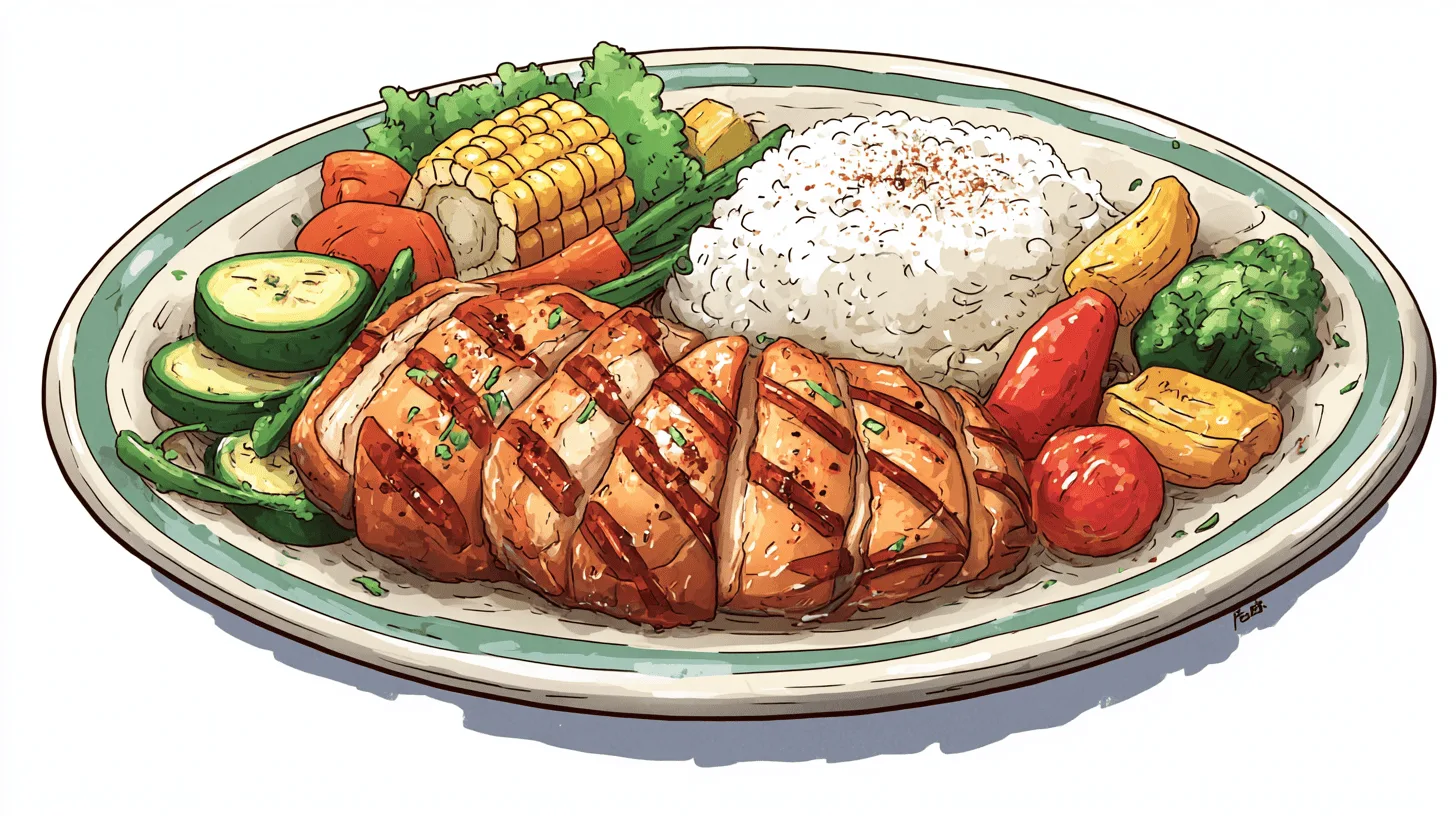
A balanced full meal should fill half your plate with non-starchy vegetables, a quarter with lean protein, and a quarter with quality carbs. Include a serving of healthy fat, such as a drizzle of olive oil or a few avocado slices. This structure naturally controls carb intake and provides lasting satiety. Sample full meal ideas:
- Grilled chicken breast, quinoa, and roasted broccoli with garlic olive oil
- Baked salmon with sweet potato and a side salad
- Lentil soup with a whole-grain roll and steamed green beans
- Stir-fried tofu with brown rice and mixed vegetables
For individuals who experience post-meal hyperglycemia, consider reducing the carb portion at that meal and increasing pre-meal walking (15–20 minutes) to improve glucose uptake.
Evidence-Based Comparison: What Studies Show
Several systematic reviews have examined meal frequency and glycemic control. A 2022 meta-analysis in Nutrients of 15 randomized controlled trials concluded that eating three meals daily was associated with significantly lower fasting glucose and HbA1c compared to higher meal frequencies (≥4 per day), though the effect size was modest. Another review in Diabetologia found that time-restricted eating (8-hour window) improved insulin sensitivity and reduced HbA1c by 0.3–0.5% in type 2 diabetes patients, regardless of whether they ate three meals or snacks within the window.
However, studies often suffer from inconsistent definitions of "snacking." A 2019 study defined snacking as eating outside of main meals, regardless of calorie content. When snacks are small and nutrient-dense (≤150 kcal with ≥5 g protein), they can be incorporated without harming glycemic control. The problem arises when snacks are calorie-dense, low-nutrient foods like cookies or chips. What you snack on matters more than whether you snack.
Individual Response Heterogeneity
One size does not fit all. Genetic factors, gut microbiome composition, and baseline insulin sensitivity influence how each person responds to meal timing. Some people experience a pronounced glycemic effect from a modest carb load in the morning but tolerate it well at dinner. Other factors include physical activity level, sleep quality, and stress—all of which affect glucose metabolism. Working with a registered dietitian can help you identify your personal glucose patterns using continuous glucose monitoring (CGM) data, allowing you to optimize meal frequency and composition.
Choosing the Best Approach for Your Diabetes Management
Personalizing Meal Patterns
To determine which pattern suits you, start by logging your meals and glucose readings for one week. Note your energy levels, hunger cues, and any episodes of hyper- or hypoglycemia. Consider your medication schedule: if you take rapid-acting insulin with meals, having fewer larger meals simplifies insulin dosing. If you use a GLP-1 receptor agonist (like Ozempic or Rybelsus), which delays gastric emptying, full meals may cause nausea, whereas small snacks may be better tolerated.
Also reflect on your lifestyle. People with demanding jobs or unpredictable schedules may find it easier to eat three meals at fixed times. Others who enjoy cooking might prefer larger meals; those who dislike cooking might prefer grab-and-go snacks. There is no moral superiority to either pattern—sustainability is key.
Long-Term Health Outcomes
Looking beyond glucose, research links meal patterns to cardiovascular health. Atherosclerosis risk is influenced by post-meal triglycerides and inflammation, which can be exacerbated by large, high-fat meals. Conversely, frequent snacking may increase total daily insulin exposure, which is associated with weight gain and metabolic syndrome. A 2020 study in Circulation reported that individuals who ate three meals daily with no snacking had lower odds of developing cardiovascular disease over 10 years compared to those who snacked more than three times daily.
Consistent meal timing—with or without snacks—appears to be more important than the number of meals. Erratic eating patterns disrupt circadian rhythms and impair glucose tolerance. Aim to eat within a consistent 10–12 hour window each day, avoiding food after 8 p.m. if possible. This aligns with natural insulin sensitivity which is highest in the morning and decreases toward evening.
Practical Steps to Implement
- Start with three moderate-sized meals (breakfast, lunch, dinner) spaced 4–5 hours apart.
- Assess your hunger: If you feel overly hungry between meals, add one small, structured snack (≤150 kcal) mid-morning or mid-afternoon.
- Monitor glucose: Check blood sugar 2 hours after each meal and upon waking. Look for patterns.
- Adjust as needed: If you experience post-meal spikes over 180 mg/dL, reduce the carb portion or increase fiber at that meal. If you have hypoglycemia, consider adding a small snack.
- Consult a professional: A dietitian or diabetes educator can help refine your plan, especially if you use insulin or have complications.
Conclusion: What the Evidence Says
The question of intermittent snacking versus full meals for diabetics does not have a simple answer. Current evidence favors three well-balanced meals daily for most people with type 2 diabetes, as this pattern supports stable blood glucose, better insulin sensitivity, and easier weight management. However, those who prefer or require smaller, more frequent eating occasions can still achieve good control if they prioritize nutrient-dense snacks, control portions, and maintain consistency in timing.
Ultimately, the best meal pattern is one that you can adhere to long-term while keeping your glucose, lipids, and body weight in healthy ranges. Diabetes management is not about perfection but about progress—small, sustainable changes that add up over time. For further reading, consult the American Diabetes Association’s Nutrition and Meal Planning Guide or explore research on time-restricted eating at PubMed using search terms like "meal frequency and glycemic control."
Remember: always discuss major dietary changes with your healthcare team, especially if you take medications that affect blood glucose. Your meter and your body are the best guides—listen to them, and adjust accordingly.