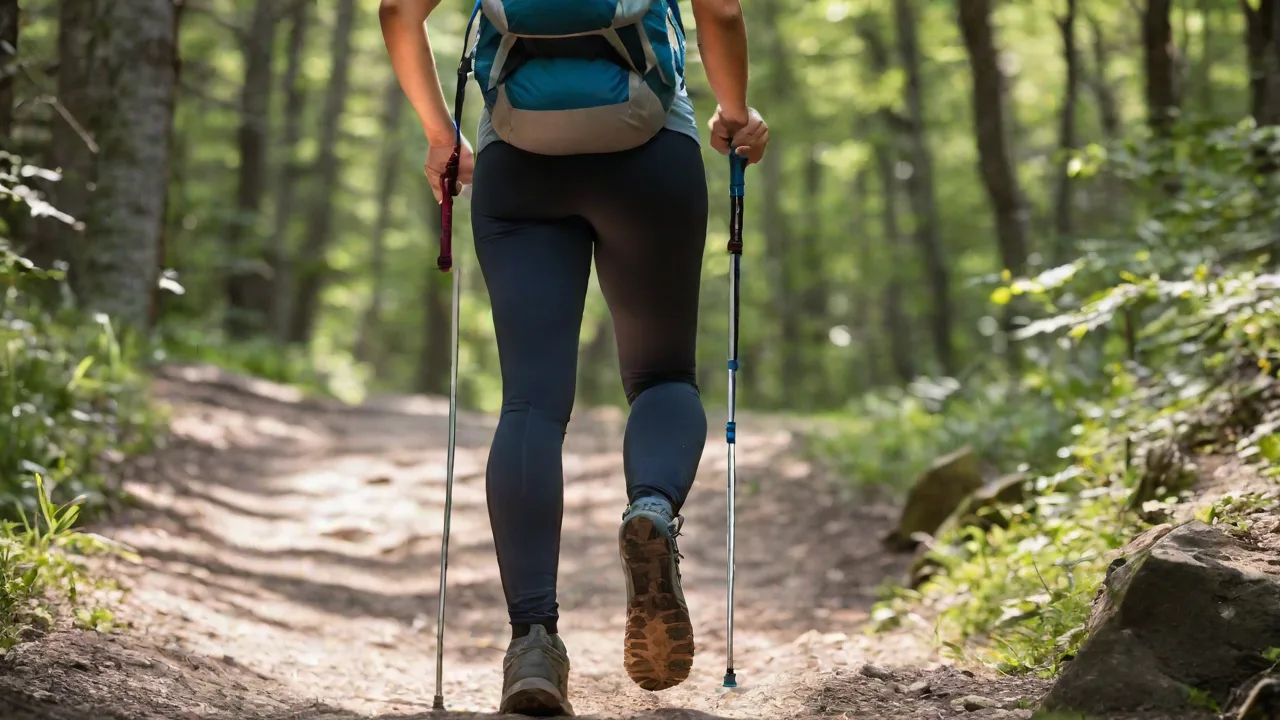
The Benefits of Outdoor Activities Like Hiking for Insulin Regulation in Diabetics
For individuals managing diabetes, finding enjoyable and sustainable ways to stay active can be transformative. Outdoor activities like hiking combine the benefits of physical exercise with the therapeutic effects of nature, offering a powerful tool for improving insulin sensitivity and blood sugar regulation. Unlike indoor workouts, hiking exposes you to natural sunlight, varying terrain, and fresh air—all of which contribute to both metabolic and mental health. This article explores the science behind how hiking and other outdoor exercises can enhance insulin regulation, the additional advantages they provide, and practical tips for incorporating them safely into your routine.
Understanding Insulin Resistance and the Role of Exercise
Insulin resistance is a hallmark of type 2 diabetes and often accompanies type 1 diabetes. It occurs when cells in the muscles, fat, and liver stop responding properly to insulin, forcing the pancreas to produce more of the hormone to keep blood glucose levels in check. Over time, this can lead to chronically high blood sugar and the need for medication. Regular physical activity directly counteracts insulin resistance by increasing the number of glucose transporters (GLUT4) on cell surfaces, allowing muscles to take up glucose more effectively without requiring as much insulin.
The Metabolic Impact of Moderate-Intensity Exercise
Hiking is considered a moderate-intensity aerobic exercise, typically performed at a pace that elevates heart rate and breathing. During such activity, skeletal muscles can consume up to 20 times more glucose than at rest. This immediate glucose uptake helps lower blood sugar levels both during and after a hike. Moreover, consistent moderate exercise induces long-term adaptations: improved mitochondrial function, increased capillary density in muscles, and reduced inflammation—all of which enhance insulin sensitivity.
How Hiking Specifically Benefits Insulin Regulation
Hiking offers unique advantages over flat-surface walking or gym-based cardio. The uneven terrain, changes in elevation, and need for balance recruit more muscle fibers, particularly in the legs, core, and glutes. This greater muscle engagement translates to a higher overall energy expenditure and more pronounced glucose utilization. Studies have shown that trail hiking can lead to better glycemic control compared to walking on a treadmill at the same perceived exertion, likely due to the varied muscular demands.
Evidence Supporting Hiking for Diabetes Management
Research published in the Journal of the American Diabetes Association indicates that regular hiking reduces HbA1c levels by an average of 0.5% in individuals with type 2 diabetes, a clinically significant improvement. Another study conducted in Japan found that forest hiking (shinrin-yoku) not only lowered blood glucose but also reduced cortisol levels, suggesting a synergistic effect of nature exposure and exercise on metabolic health. While more research is needed, the evidence strongly supports hiking as an effective, low-cost intervention for improving insulin action.
Additional Benefits of Outdoor Activities for Individuals with Diabetes
Beyond insulin regulation, outdoor exercise provides a host of advantages that indirectly support diabetes management. These benefits address common comorbidities and barriers that people with diabetes face, such as vitamin D deficiency, weight gain, stress, and cardiovascular risk.
Sunlight Exposure and Vitamin D Synthesis
Vitamin D plays a crucial role in insulin secretion and sensitivity. Deficiency is common among people with diabetes and has been linked to poorer glycemic control. Outdoor activities like hiking allow the body to produce vitamin D naturally from sunlight. A 2020 meta-analysis in the European Journal of Clinical Nutrition found that vitamin D supplementation improved insulin sensitivity in diabetic individuals, but natural synthesis offers additional benefits, including improved mood and circadian rhythm regulation. However, be mindful of sun protection: moderate exposure without sunscreen during peak hours can be balanced by covering up after 15–20 minutes to avoid burns.
Weight Management and Reduced Insulin Resistance
Excess body fat, particularly visceral fat, is a major driver of insulin resistance. Hiking burns a substantial number of calories—up to 400–500 per hour for a moderate pace on hilly terrain—making it an effective tool for weight loss or maintenance. Combined with improved muscle mass, which increases resting metabolic rate, regular hiking creates a favorable environment for better insulin action. Unlike high-intensity interval training, hiking is joint-friendly and sustainable for longer durations, making it easier to adhere to over time.
Mental Well-Being and Stress Reduction
Stress hormones like cortisol and adrenaline raise blood sugar levels by promoting glucose release from the liver. Chronic stress can worsen insulin resistance. Outdoor exercise in natural settings has been shown to reduce cortisol, improve mood, and alleviate symptoms of depression and anxiety. A 2015 review in Harvard Health Publishing noted that spending time in green spaces lowers blood pressure and reduces mental fatigue, which can indirectly help with blood sugar management. Hiking also provides a sense of accomplishment and social connection when done in groups, further boosting emotional health.
Cardiovascular and Physical Fitness Improvements
Diabetes significantly increases the risk of heart disease. Hiking strengthens the heart, improves circulation, and lowers resting heart rate and blood pressure. The varied terrain forces the cardiovascular system to adapt to changing demands, enhancing overall endurance. For individuals with diabetes, this translates to better oxygen delivery to tissues and improved glycemic responses during subsequent exercise sessions.
Safety and Best Practices for Hiking with Diabetes
While hiking is generally safe, people with diabetes need to take extra precautions to avoid hypoglycemia, hyperglycemia, and other complications. Proper preparation ensures that the activity remains beneficial rather than risky.
Pre-Hike Planning
- Consult your healthcare provider: Before starting any new exercise program, especially if you take insulin or sulfonylureas, discuss adjustments to medication or meal timing.
- Check blood sugar levels: Test before, during (if possible), and after hiking. The American Diabetes Association recommends a pre-exercise blood glucose range of 126–180 mg/dL for moderate activity.
- Pack supplies: Carry fast-acting glucose sources (e.g., glucose tablets, fruit juice, or hard candy) for treating hypoglycemia. Bring ample water and snacks containing complex carbohydrates and protein.
During the Hike
- Wear appropriate footwear: Diabetic neuropathy can reduce sensation in the feet, making injuries more likely. Choose sturdy, well-cushioned hiking boots and moisture-wicking socks. Inspect feet after the hike for blisters or cuts.
- Monitor intensity: Start with flat, easy trails and gradually progress to steeper terrain. Use a heart rate monitor or the talk test to stay in a moderate-intensity zone.
- Stay hydrated: Dehydration can raise blood sugar levels and increase the risk of overheating. Drink water regularly, even if you don’t feel thirsty.
Post-Hike Care
- Recheck blood sugar: Physical activity can cause delayed hypoglycemia hours later, especially after prolonged hikes. Eat a balanced meal containing protein and healthy fats to stabilize levels.
- Inspect feet for injuries: Clean and dry your feet thoroughly. Apply moisturizer but avoid putting lotion between toes to prevent fungal infections.
- Rest and recover: Allow at least 24–48 hours before repeating a strenuous hike to give muscles and glycogen stores time to replenish.
Creating a Sustainable Outdoor Exercise Routine
Consistency is key to reaping the metabolic benefits of hiking. Start with short, low-intensity walks on nature trails and gradually increase duration and elevation. Aim for at least 150 minutes of moderate aerobic activity per week, as recommended by the Centers for Disease Control and Prevention. Joining a local hiking group or using apps that track trails can help maintain motivation. Pairing hiking with other outdoor activities like cycling, kayaking, or gardening also provides variety and prevents boredom.
Incorporating outdoor activities like hiking into a diabetes management plan is a natural, enjoyable, and highly effective strategy for improving insulin regulation. The combination of physical exertion, sunlight, and stress reduction works synergistically to enhance metabolic health. By following safety guidelines and gradually building endurance, individuals with diabetes can safely enjoy the physical and psychological rewards that nature offers. Always consult your healthcare provider before starting any new exercise regimen to ensure it aligns with your specific health needs and medication regimen.